I get asked this question a lot. A LOT. I should be prepared by now.
But this is a hard question to answer. I don’t feel the same way when someone asks me what I think of New York. “It’s filthy. And it smells like urine.” But Belgrade? This is more complex.
Except for college, I had never lived inside a city.
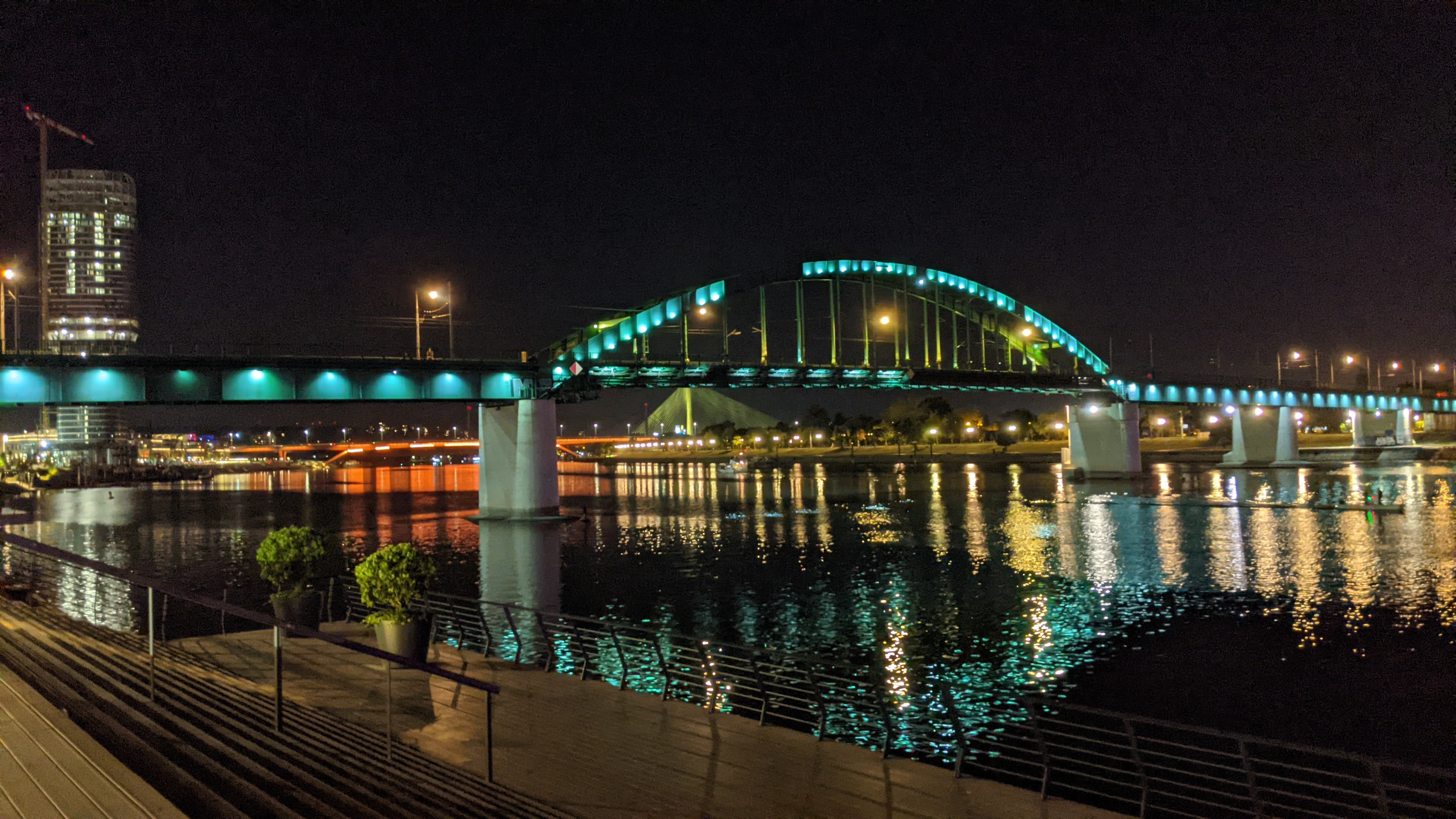
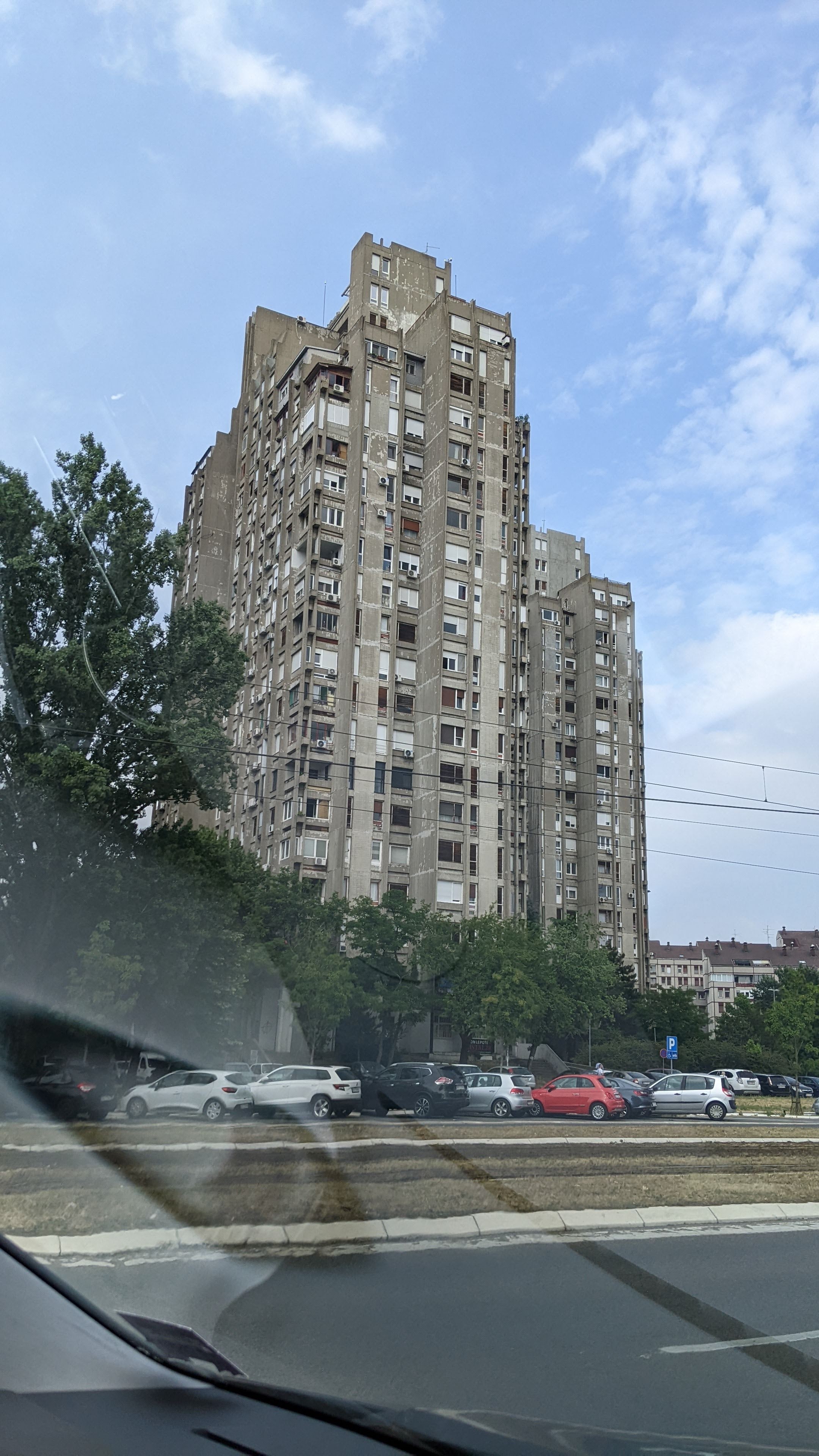
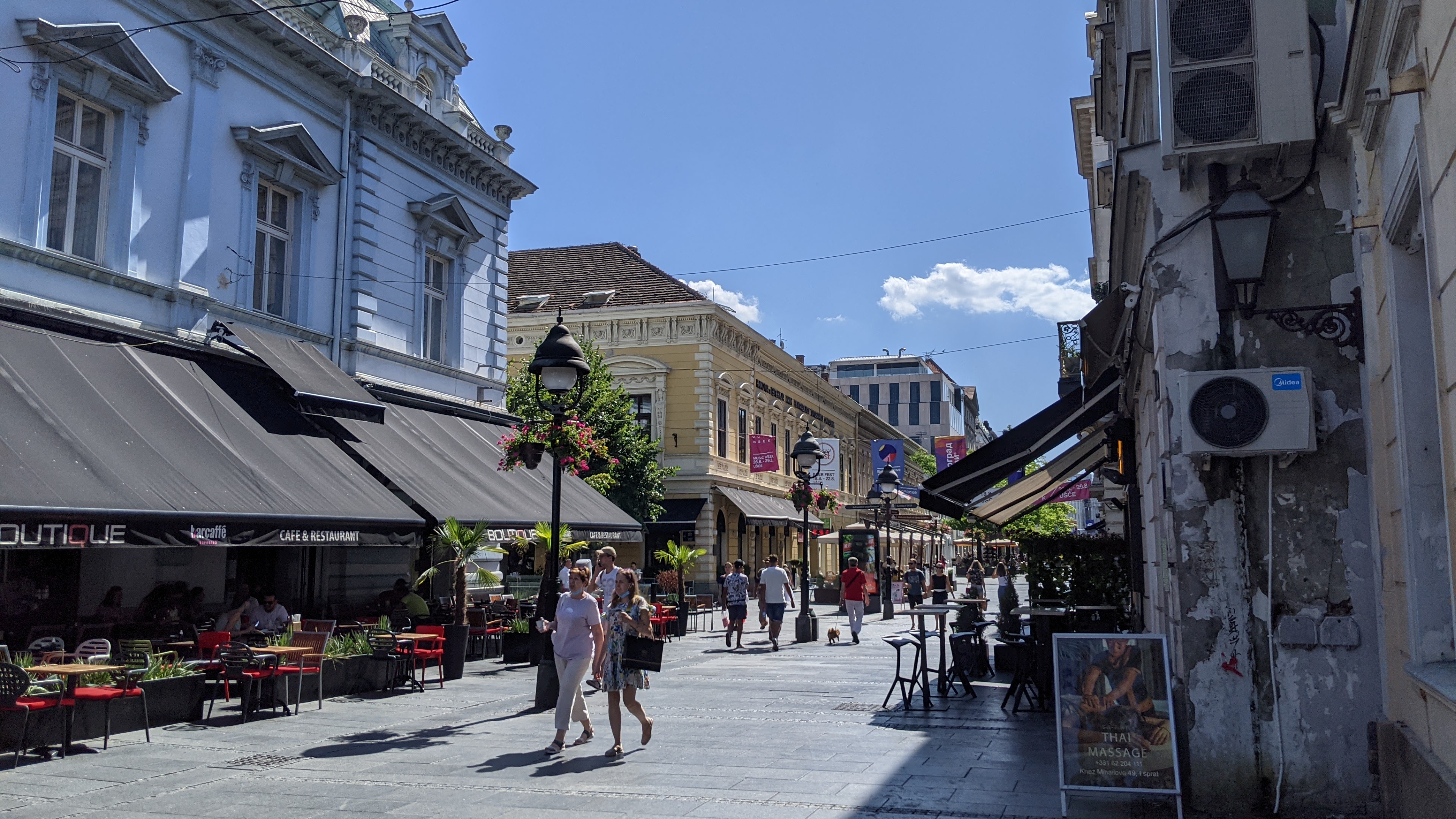
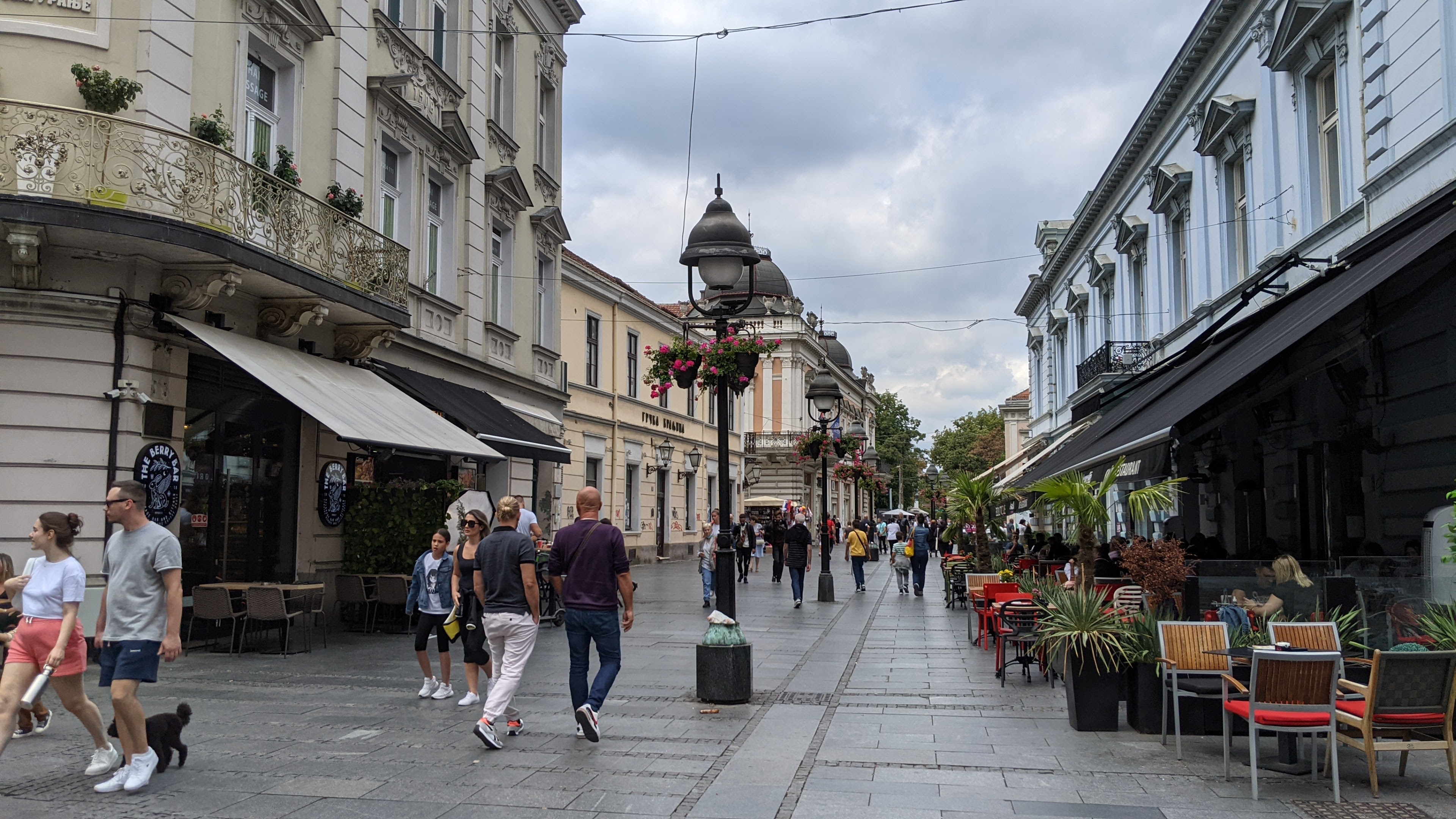
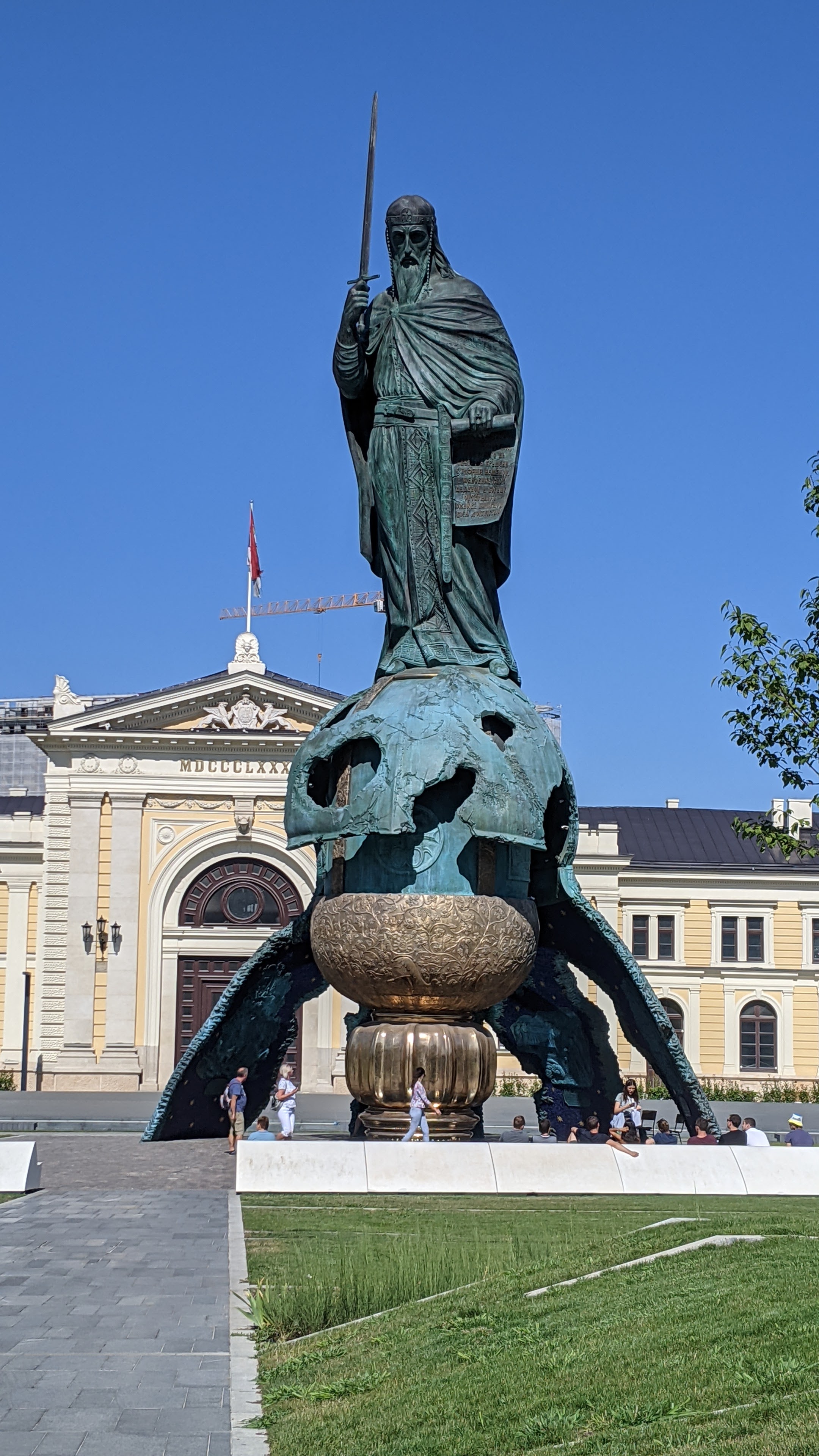
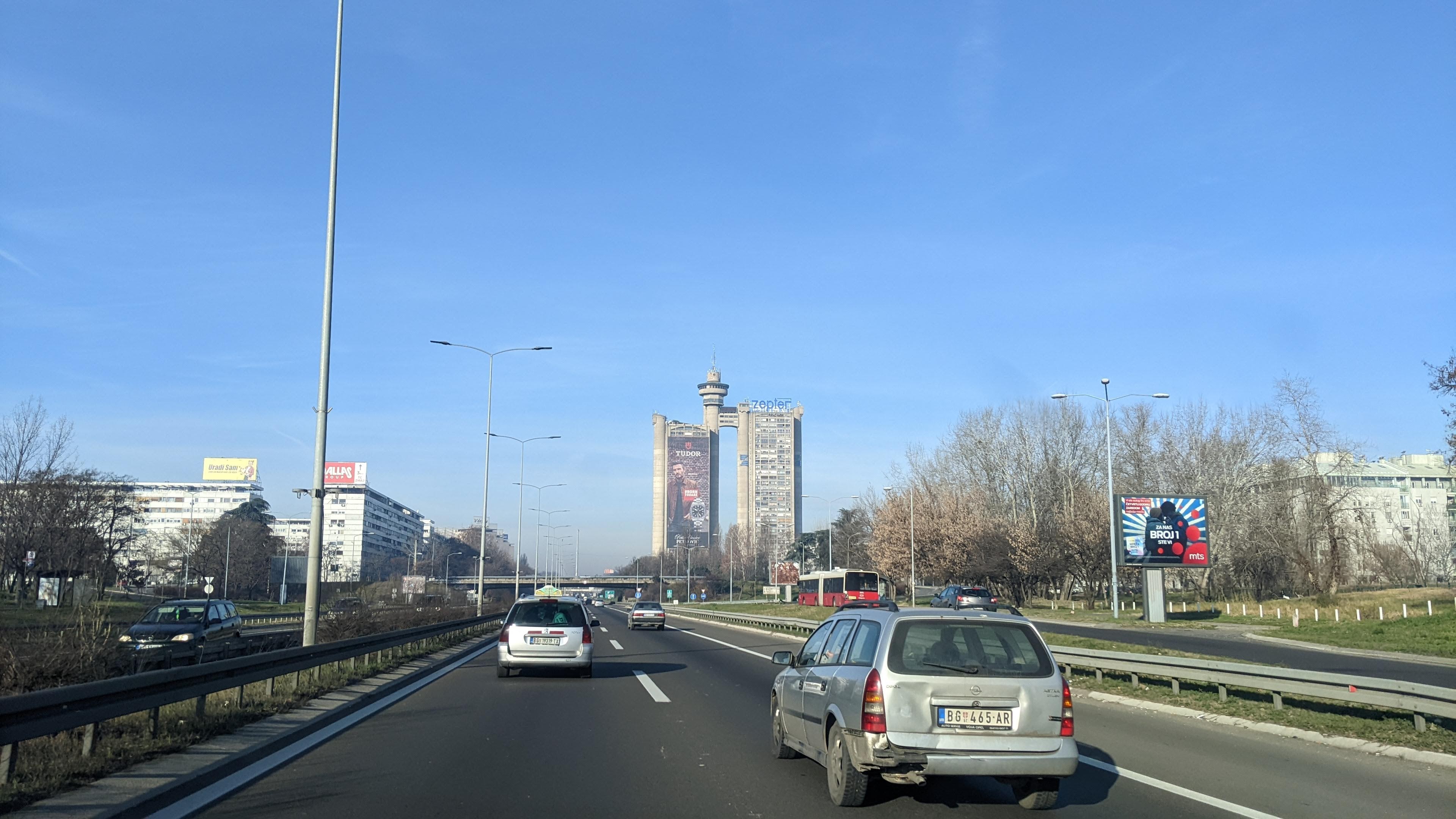
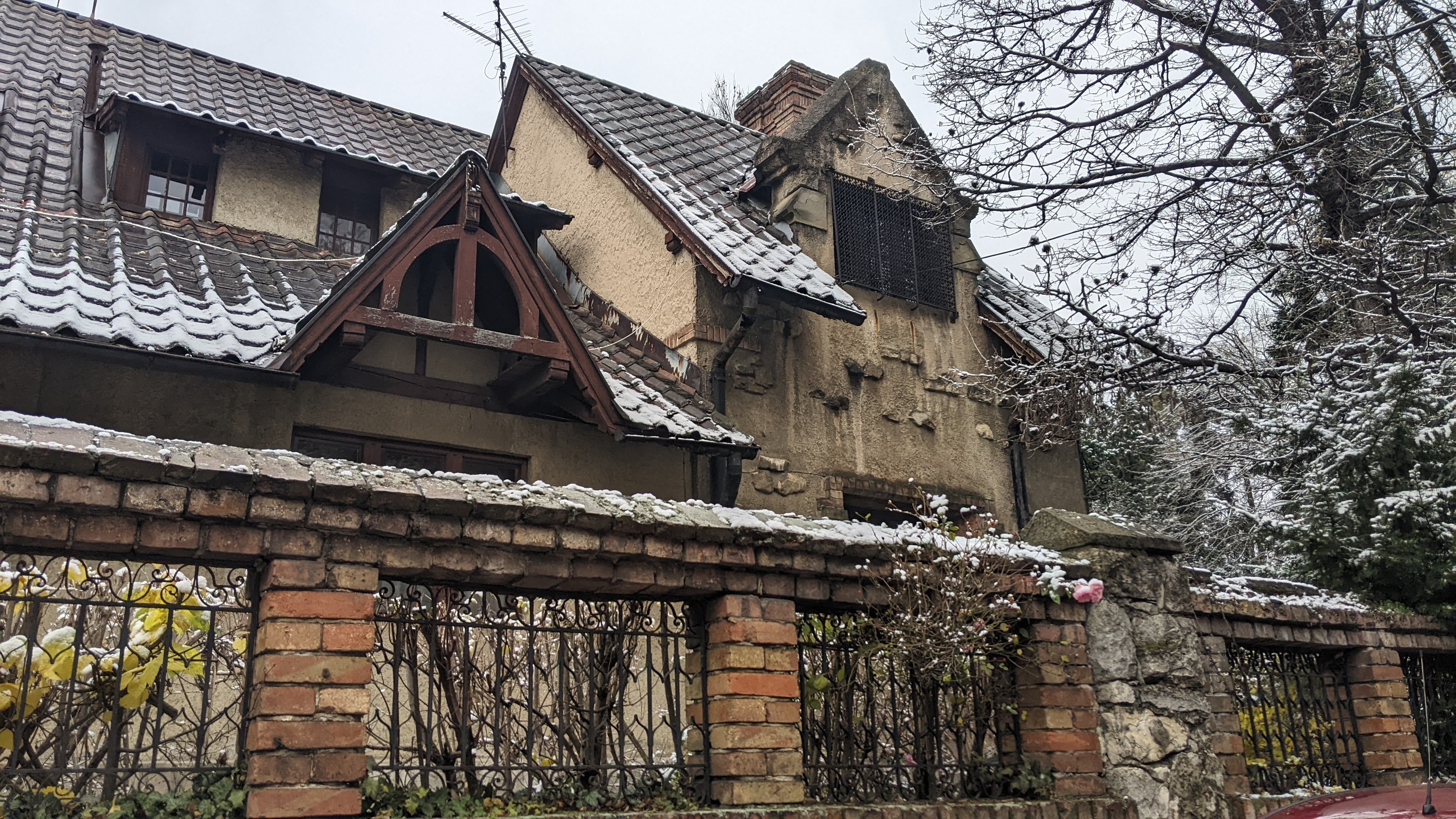
The architecture here is wonderfully weird, thanks to imperial expansion and decline, communism, war, and foreign investment. Beaux Arts. Brutalist. Genex tower. The frozen-in-war-time Ministry of Defense. I’m fascinated by the buildings. I’m sorry the showy ones are mostly facades — terra cotta blocks and concrete skim coated with plaster. Locals tell me the Communist way is to build a landmark — an icon — then let it crumble away. Ozymandius.
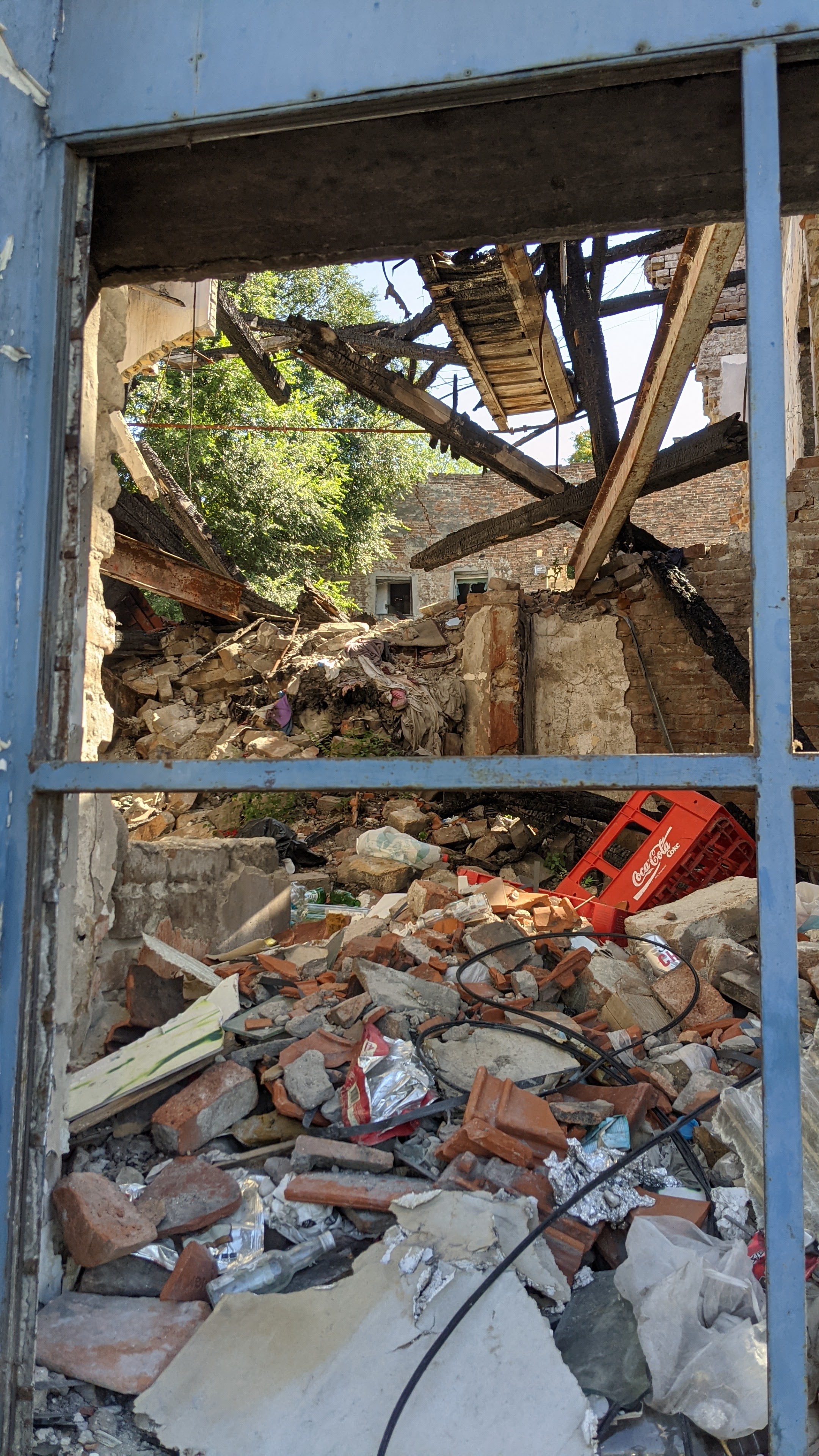
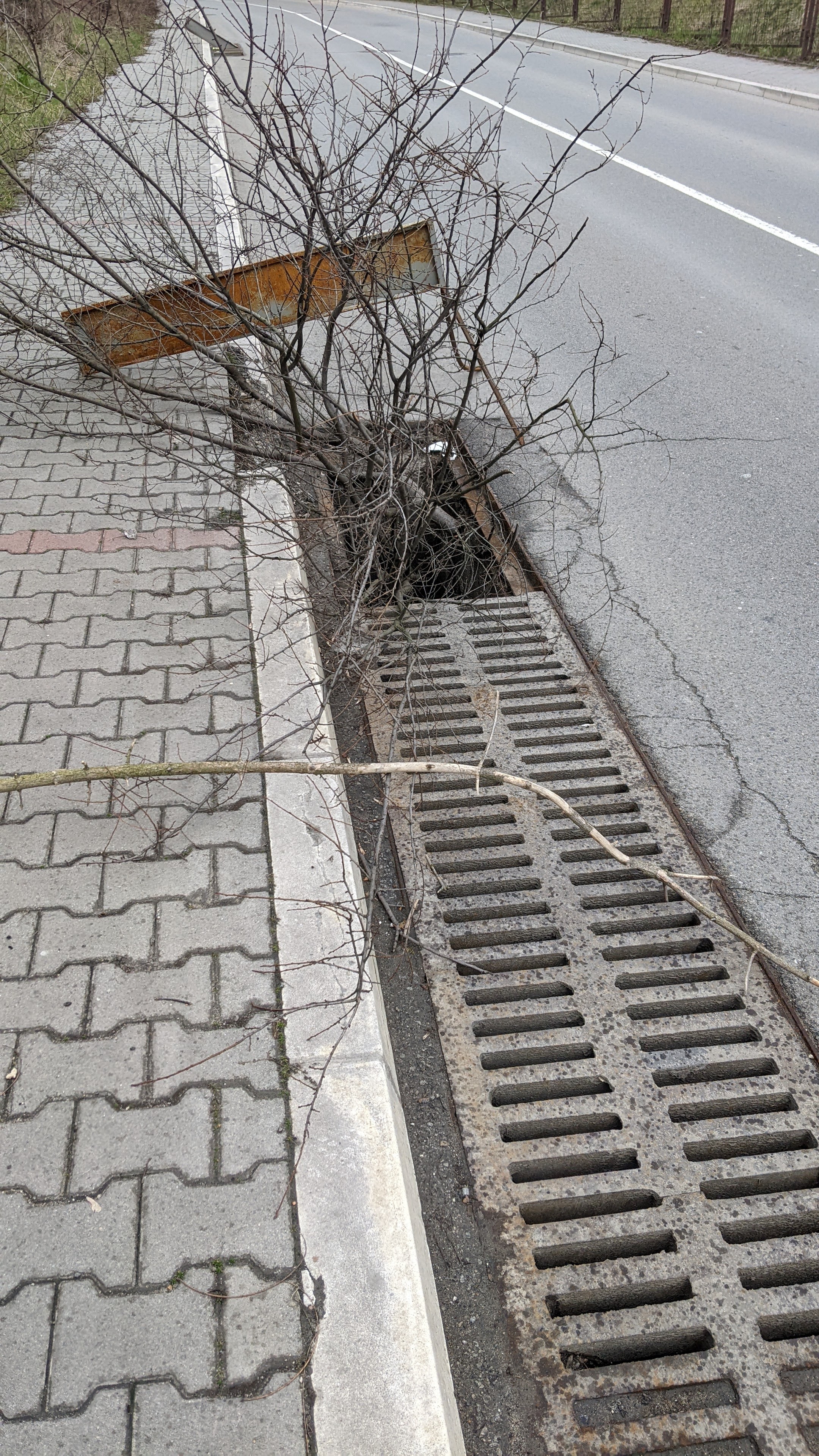
This city is filthy. It’s falling apart. The infrastructure was built for the 1960s. Cars park on the sidewalks and people walk on the streets. The speed bumps are a irrelevant, because it’s the potholes, asphalt patchwork, and missing storm drains that slow traffic.
I’m repulsed by the people. I admire the people. I feel compassion for these people.
The women inject their lips and breasts and butts, bleach their hair, cake on makeup. The men drive G-Wagons and Cayennes. They live in tracksuits and down vests. A grotesque airport ‘game’ in Europe is to pick out the Serbians, based on the women’s lips and the men’s clothes.
But not all Serbians are like that.
The average salary in Belgrade is €400 a month. A mandarin orange costs less than 20 cents, but the elderly can’t afford them. Sticks of butter come in anti-theft packaging.
It costs €25 to get a COVID test. It costs €30 to get an abortion.
People tell me that you can rent children to beg on the street in Belgrade.
Orphans remain unadopted. The process takes years and there is a stigma against taking a child into your family who is not your blood relative. Many are autistic. Many have parents who are still living. But when I walk the streets, I see mothers doting on babies, not a mobile phone in sight. Fathers tote toddlers on their shoulders and practice peewee football in parks. Teenage girls hold hands with their mothers, and young men offer their bus seats to the elderly.
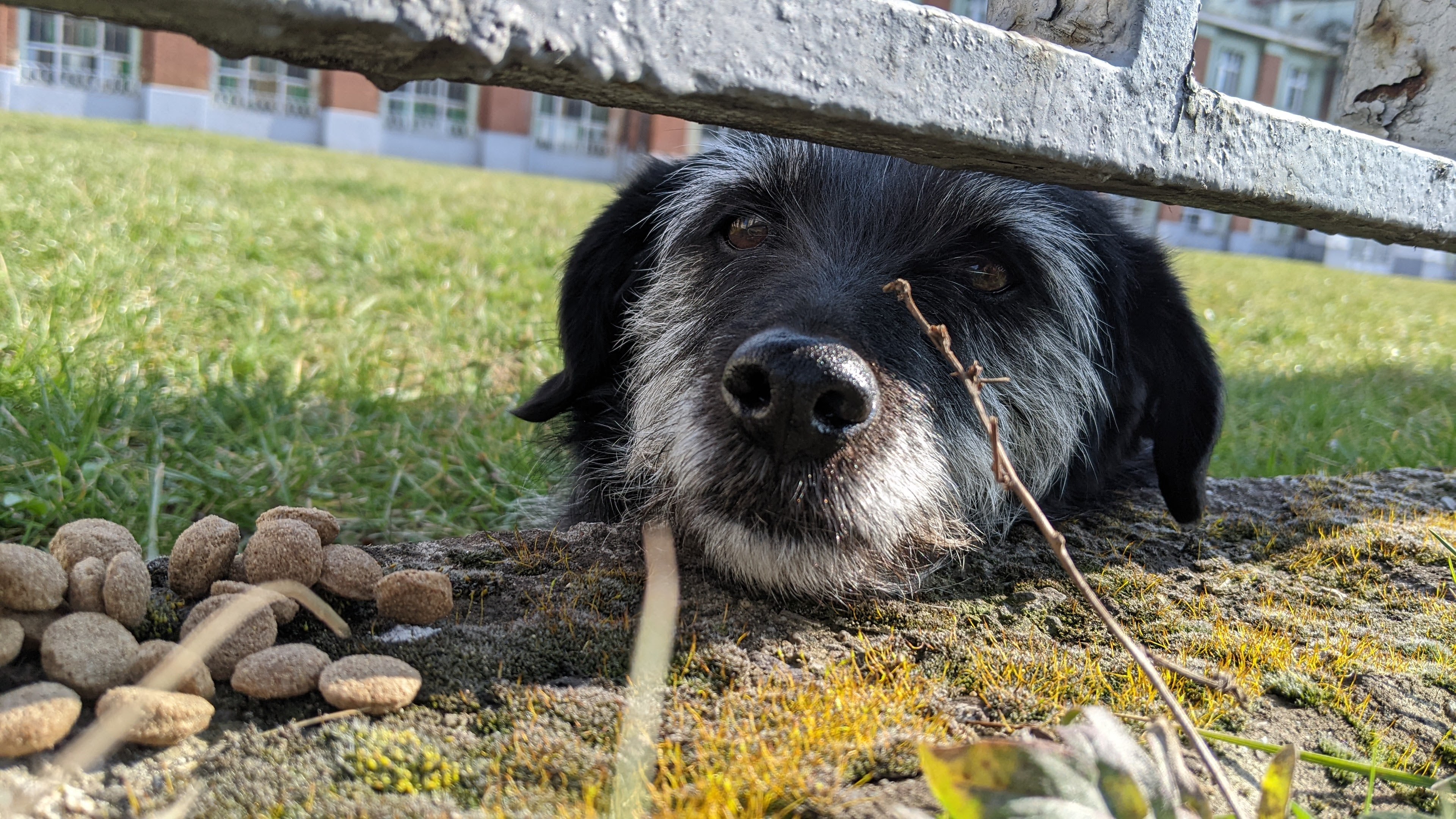
Stray dogs are everywhere. But they are all fat, because everyone in the neighborhood takes turns feeding them. If one goes missing, residents post signs to find it. People stop what they are doing to help stray animals cross the street.
Older Serbians yearn for the good old days of Tito — the guaranteed workers’ housing, the pensions that might or might not come, depending on your family’s political ties. Younger Serbians long for the economic opportunities to be found in America and the European Union. Serbians my age remember hiding in shelters or dancing in the streets during the NATO bombing campaign.
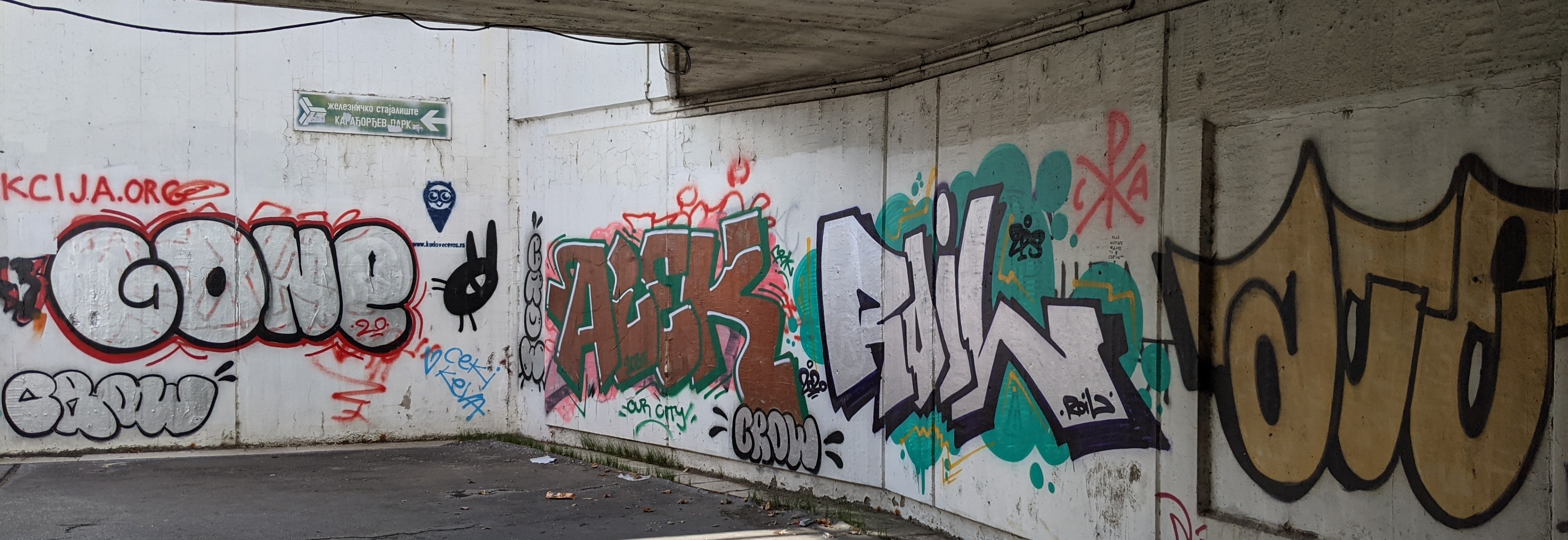
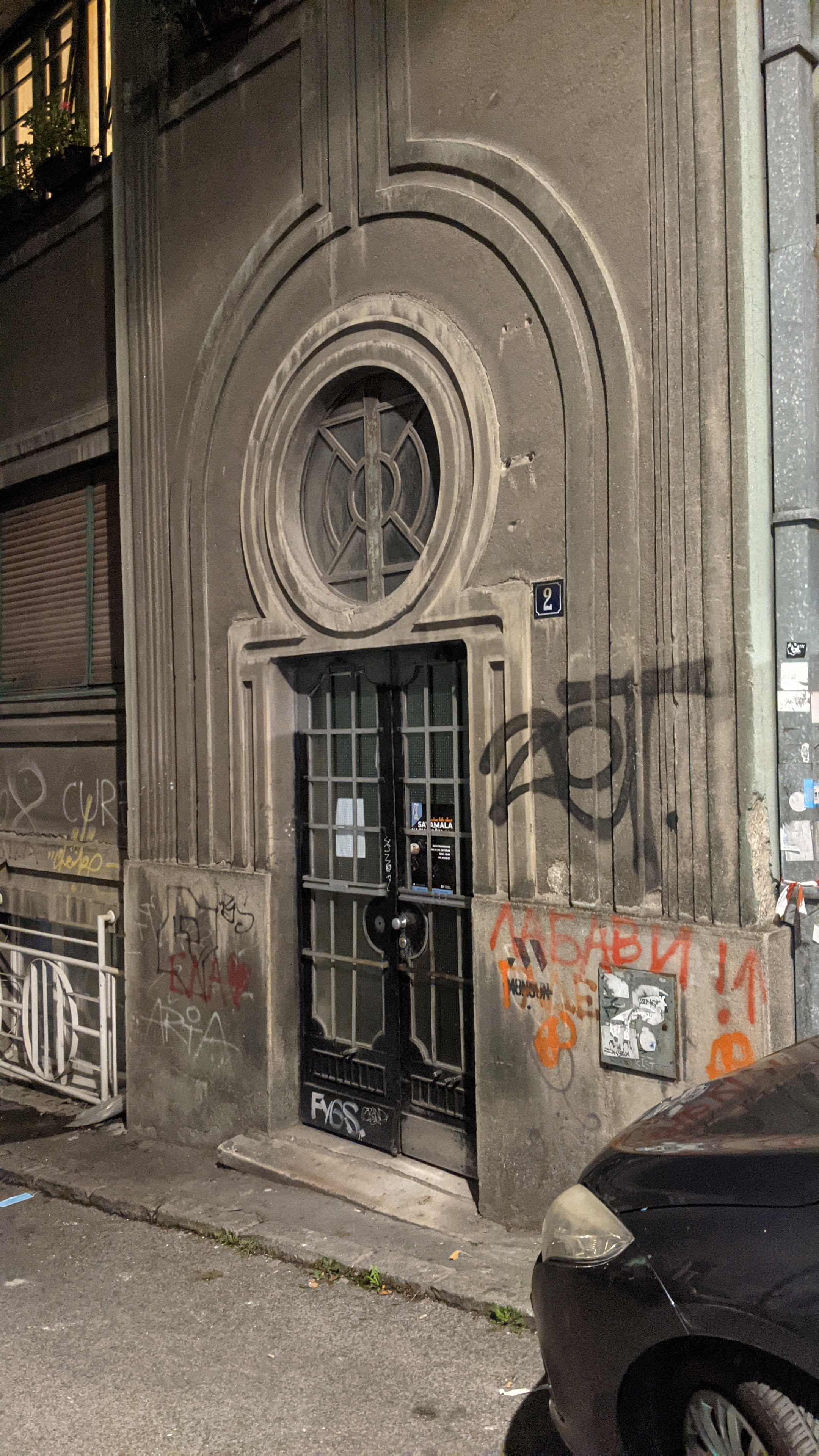
I’m surrounded by propaganda and graffiti, cigarette smoke and coal fire haze. I rely on a few friends to help me interpret what I see and help me reconsider what I think I see.
Honestly, I can’t tell you how I like Belgrade. But there is something worth noting in these people.
 There, and Pack Again