The view from the Jahorina. Yugoslavia hosted the 1984 Winter Olympics on the hills surrounding Sarajevo. Josh and Ken spent their first full day in Sarajevo out of Sarajevo.
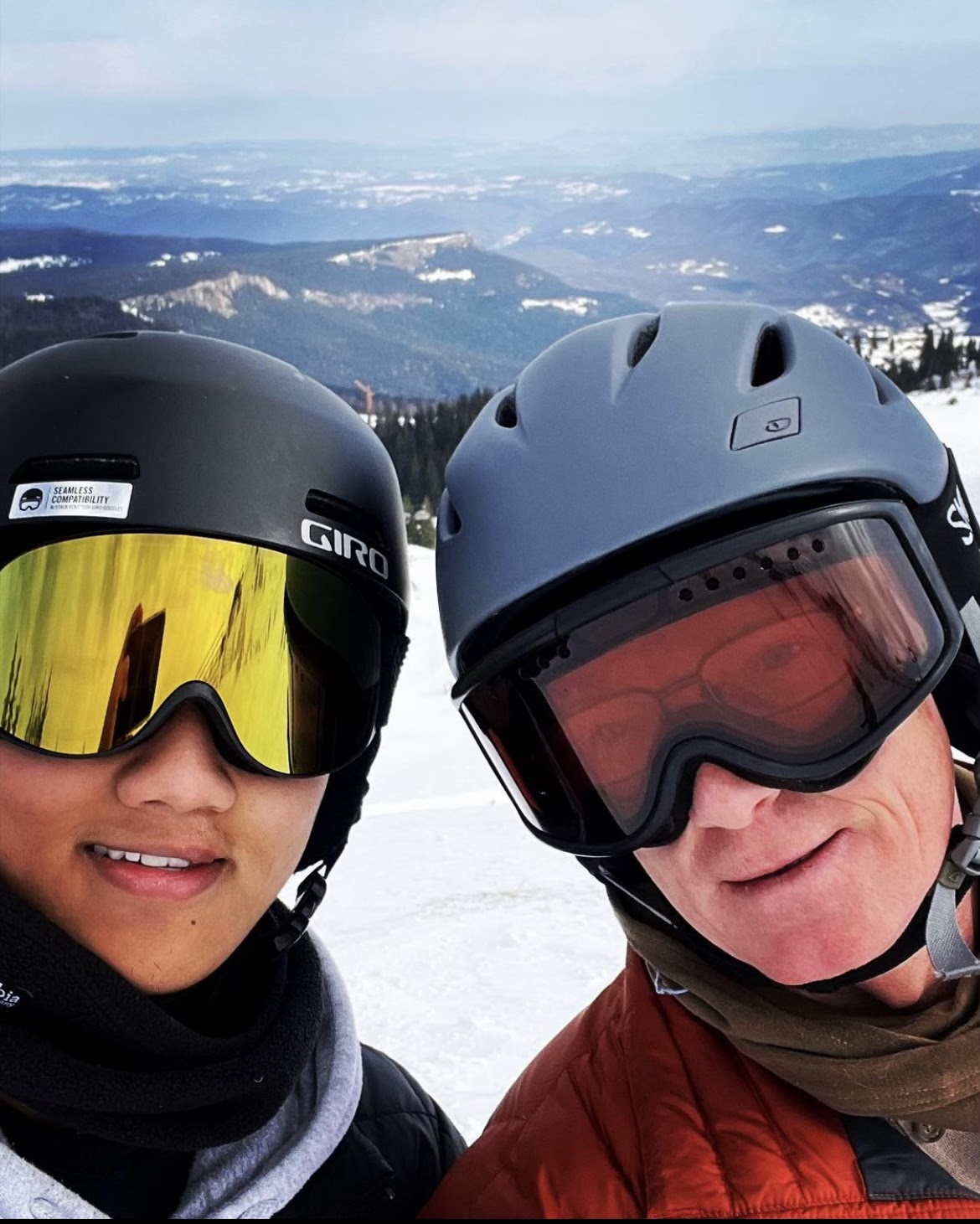
Sarajevo is in Ken’s Area of Responsibility and he’s been here several times since May 2022. If Belgrade is urban-gritty, he said, Sarajevo is urban-fairytale. Ken and Josh wanted to ski, Kathleen wanted a week of do-nothing, and I was more than happy to wander in a new city with or without accompaniment. So for the kids’ February break, we headed to Sarajevo.

Bosnia-Herzegovina (BiH) is the geographic center of former Yugoslavia. Bosnia is the northern part of the country; Herzegovina is the southern region. Sarajevo is the capital. It takes about 4.5 hours to get there by car. I got to drive because the flat roads of Serbia devolve into winding mountain roads in BiH.
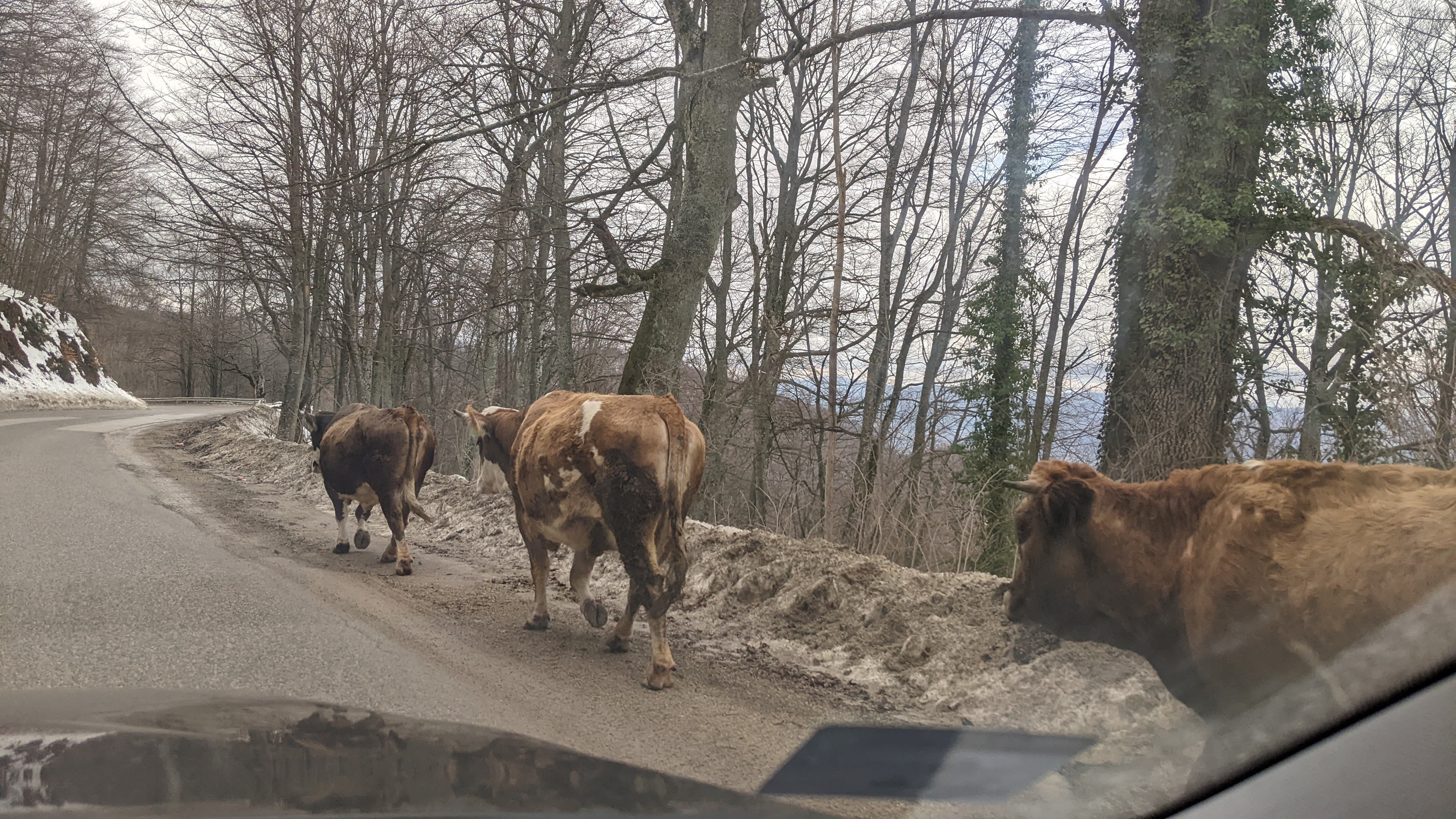
One of the striking things about living in the Balkans is the feeling that you have gone back in time. Most travel guides tout the timeless feel of the European countryside, but rural Balkan living seems far from idyllic. It looks like hard manual labor, with little chance of earning enough profit to improve your present or future. Grandmothers guard sheep while knitting (multitasking!), haystacks and wood slatted corn cribs are found in every part of the region, entire families turn out to prune, tether and harvest hundreds of raspberry canes by hand. Milk cows forage in snowy forests by day and ambush unsuspecting drivers en route to their destination.
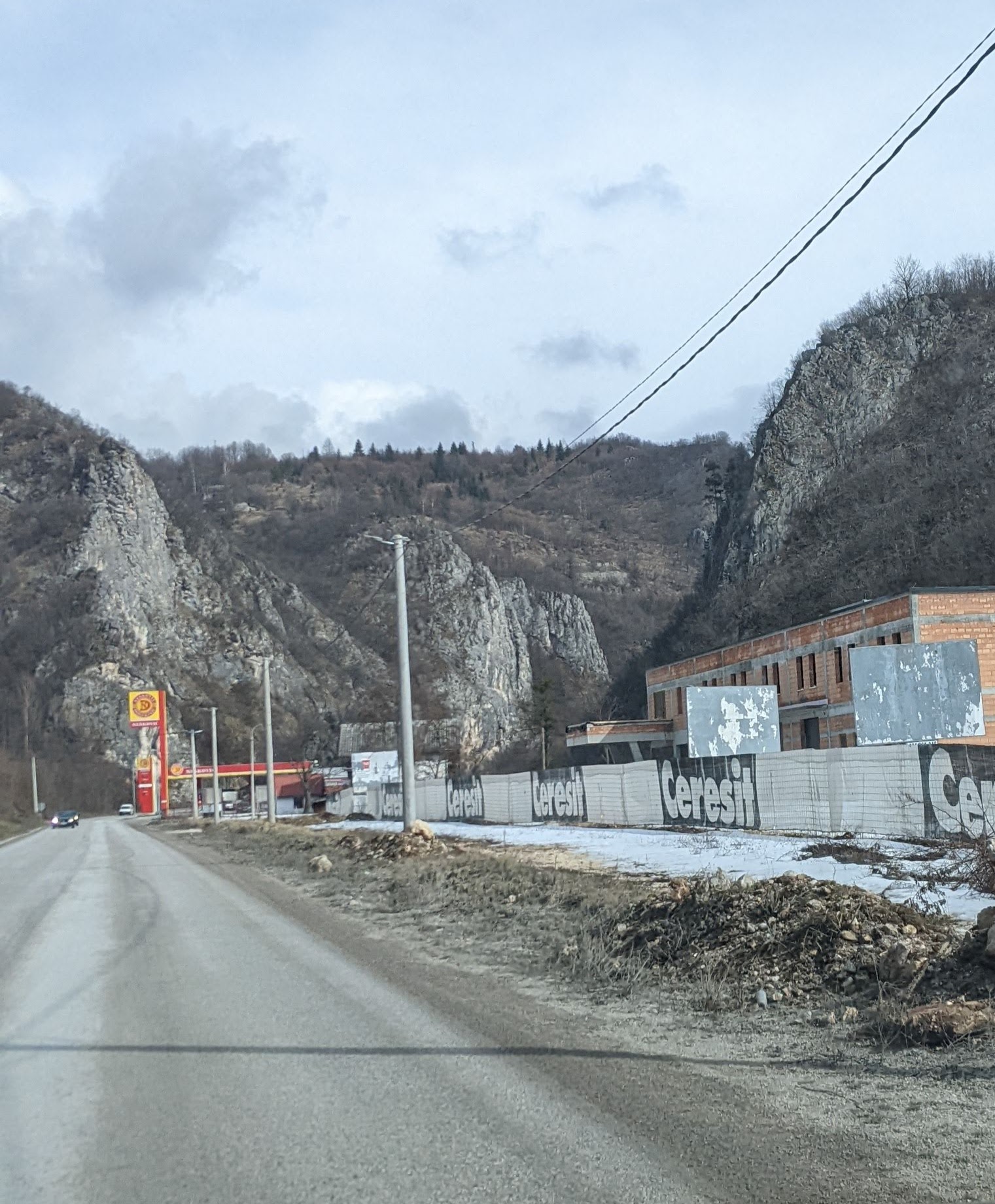
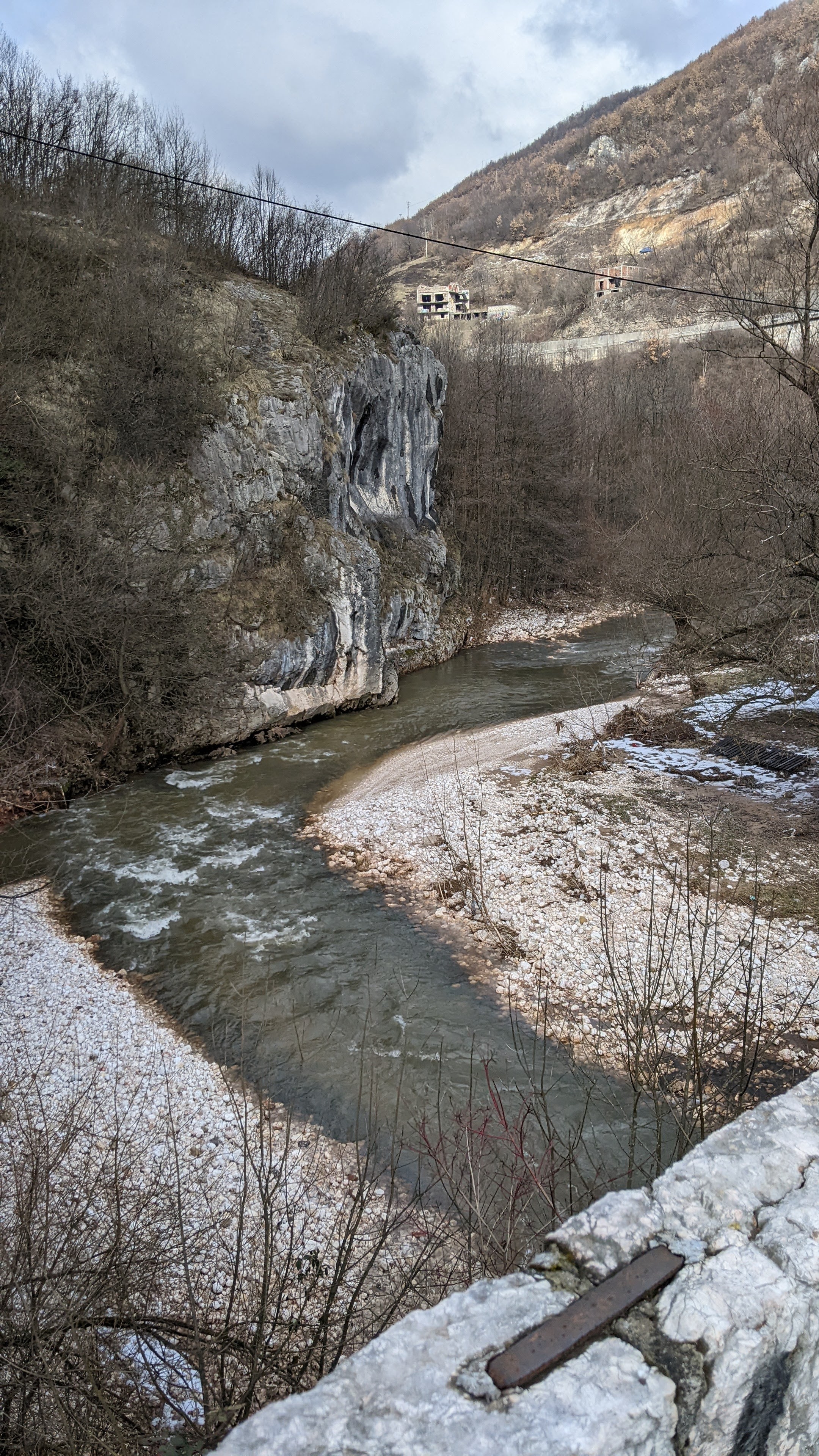
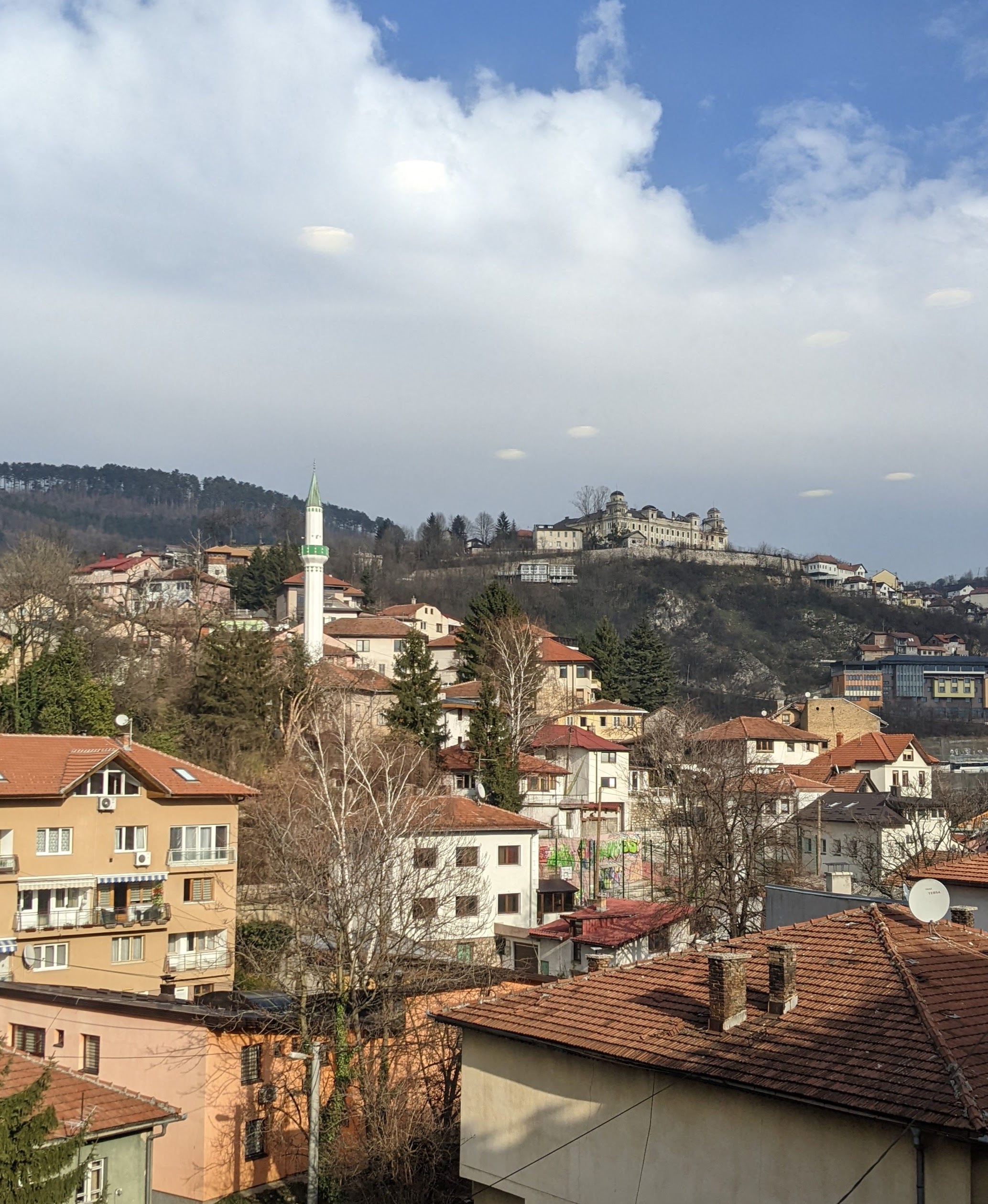
Sarajevo itself sits in a river valley with steep stone mountains rising up in every direction. There are very few main roads in and out of the city. It’s easy to see how the topography made possible the Siege of Sarajevo in the 1990s.
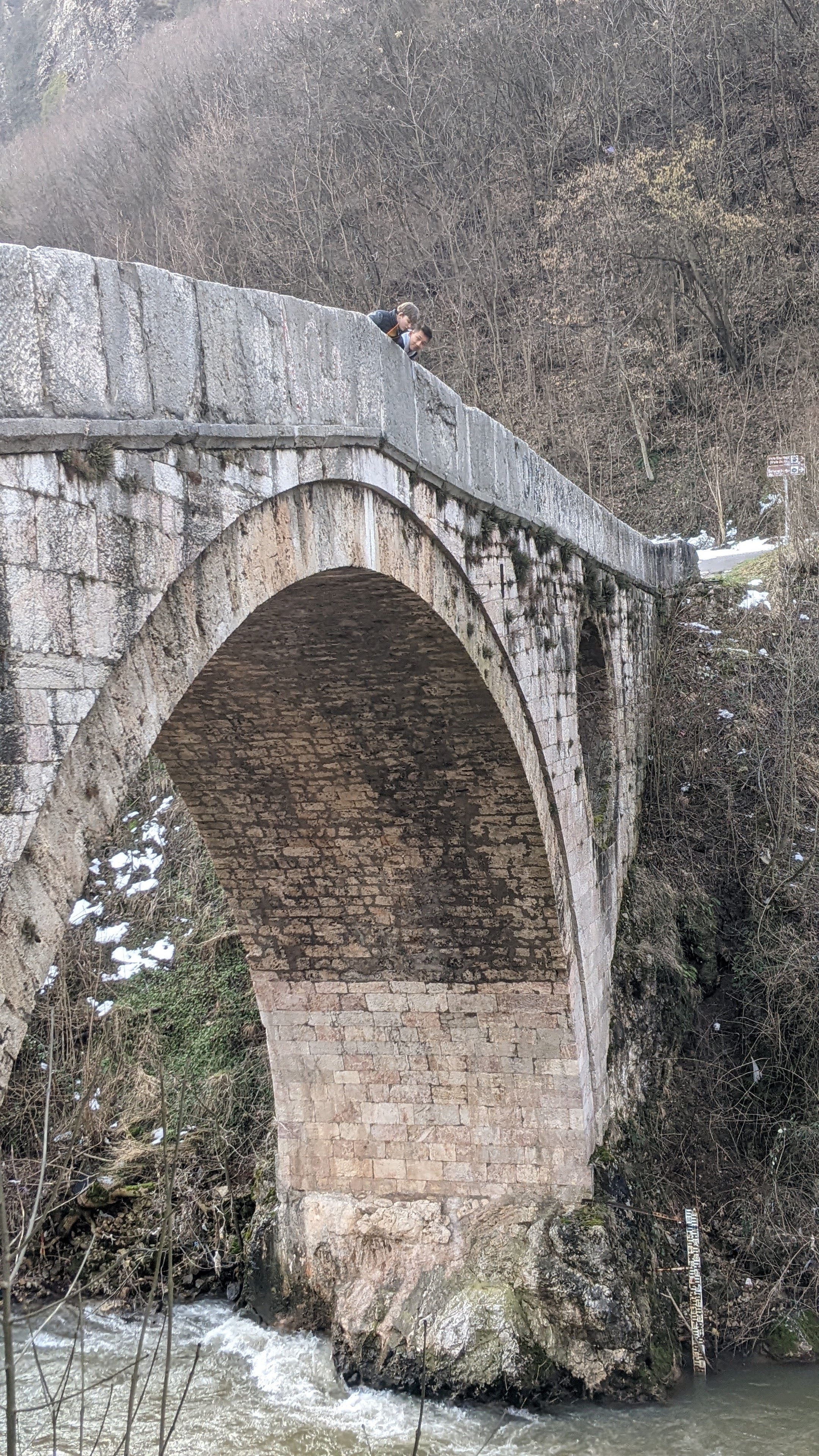
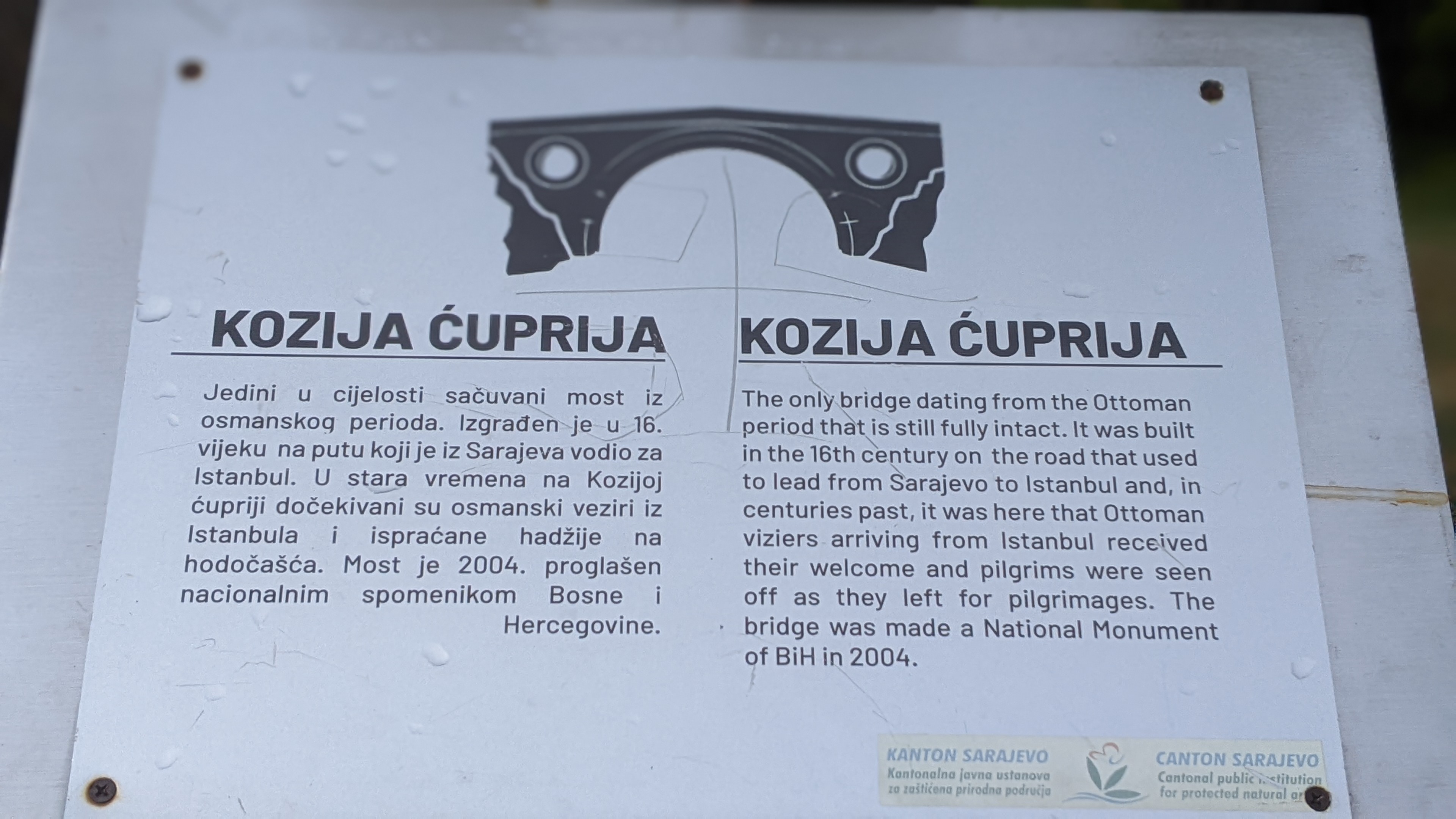
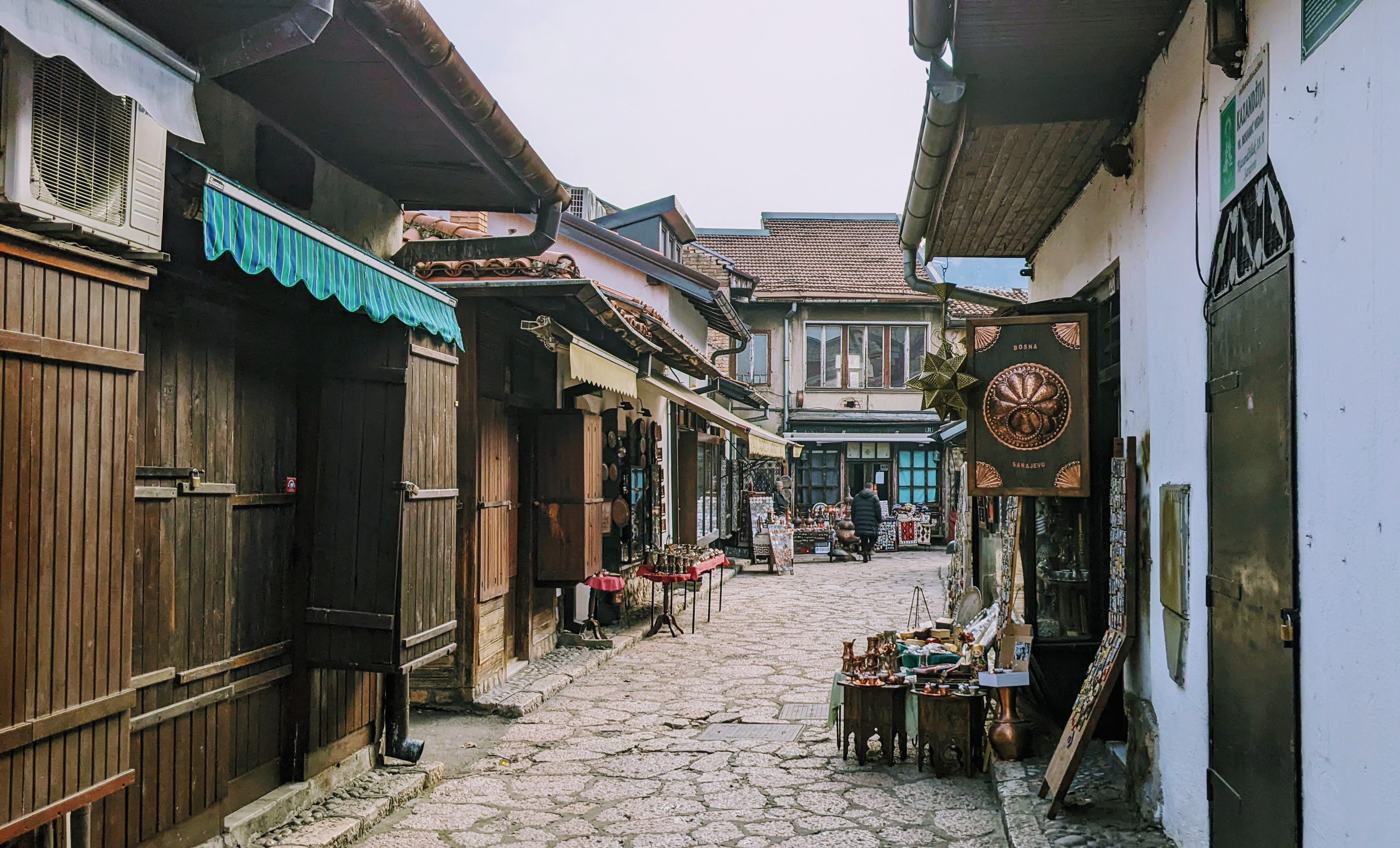
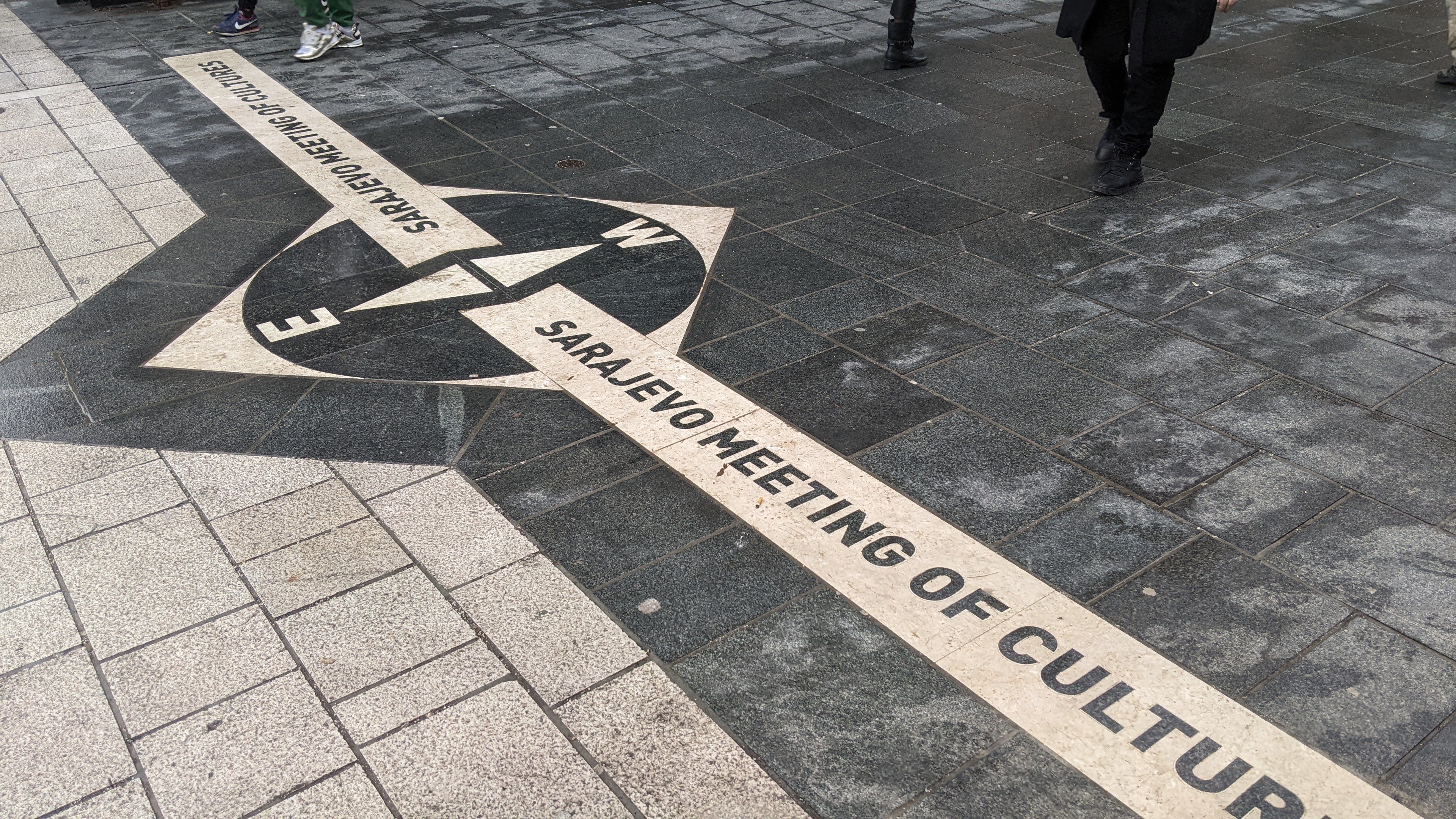
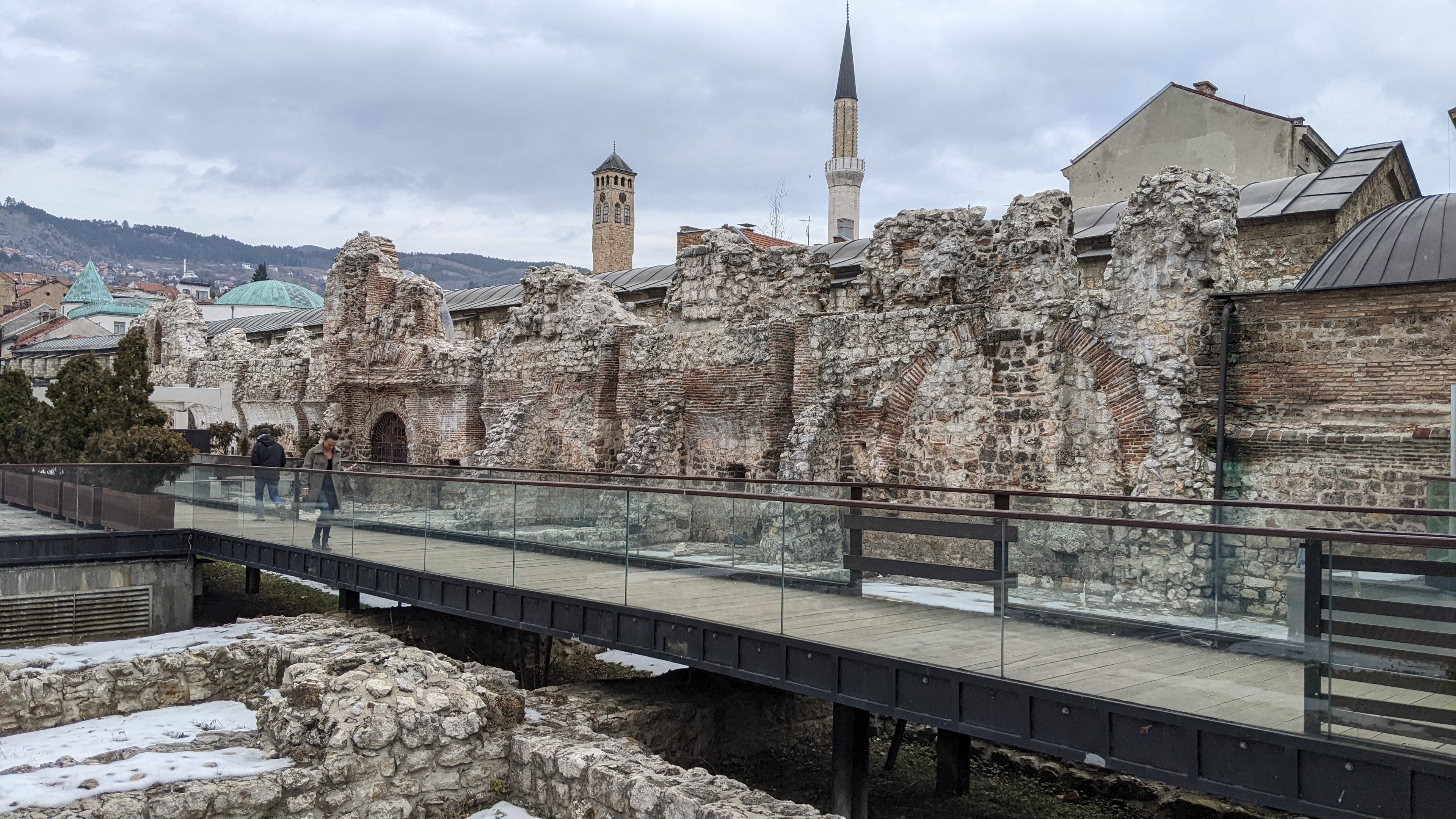
Sarajevo’s city-center has a strong Turkish feel to it. The Ottomans ruled Bosnia for nearly 500 years, creating covered and open-air bazaars, building mosques and ceremonial fountains, and importing their customs, artwork, food, and traditions to this Slavic mountain town.

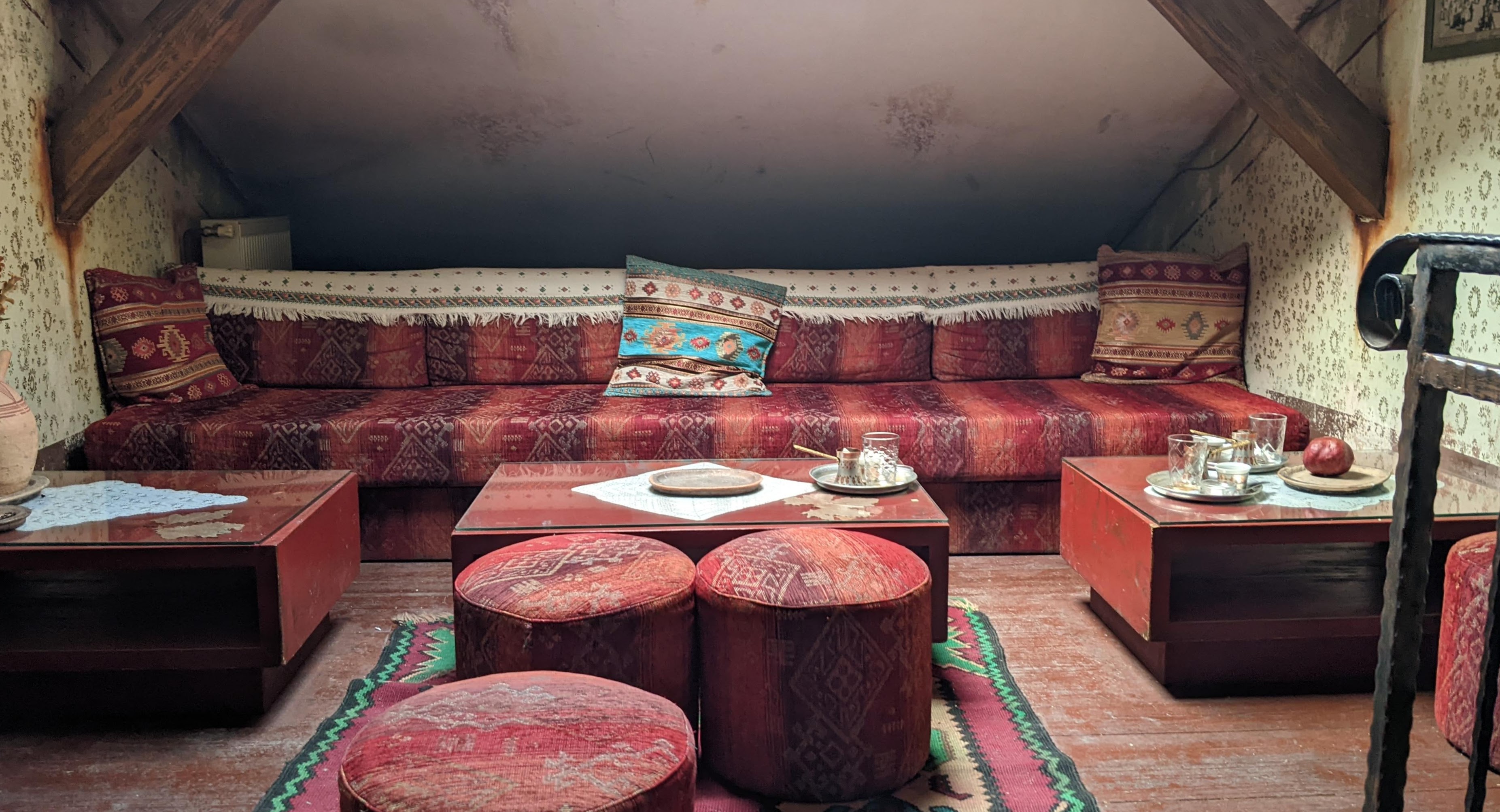
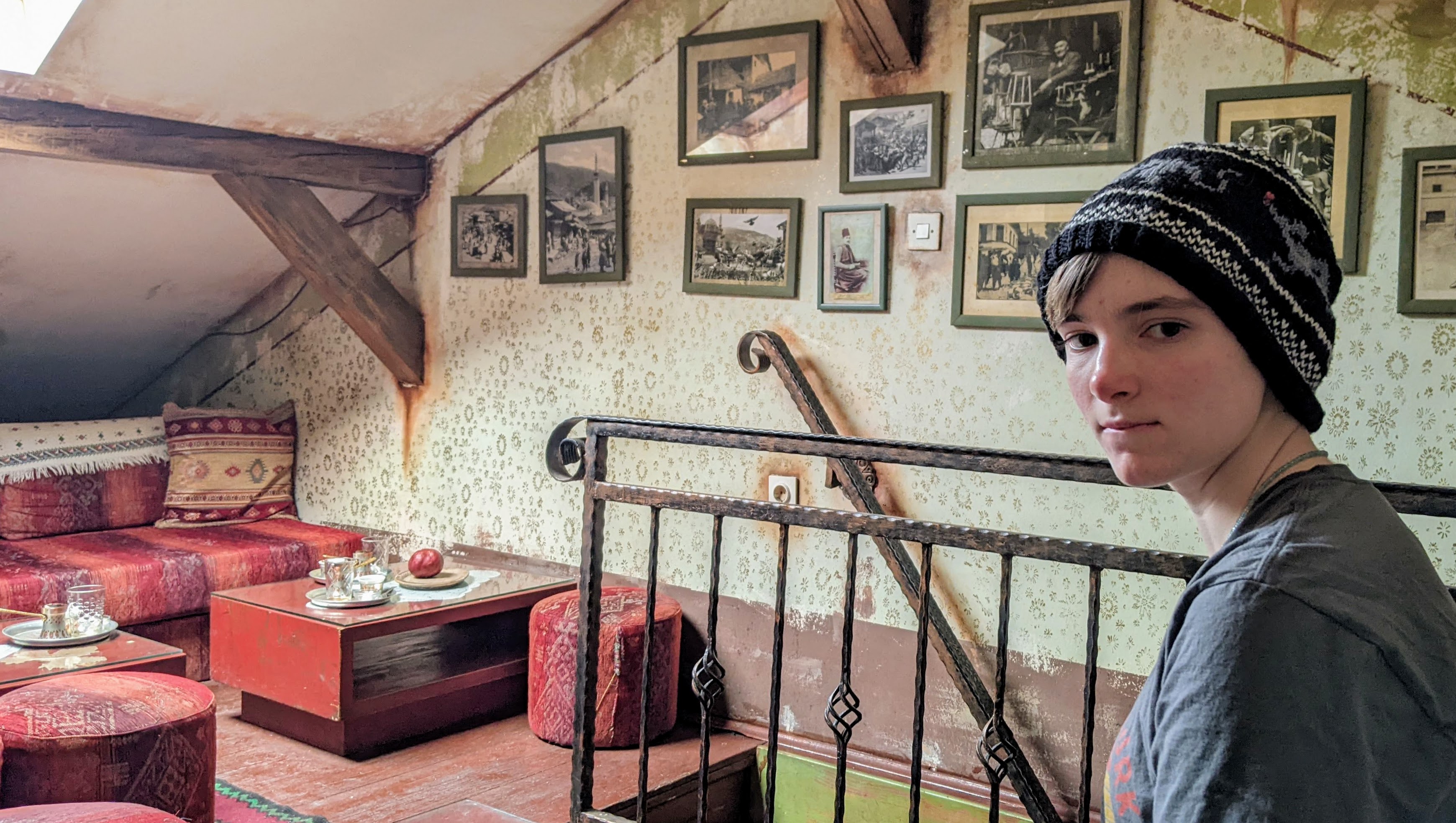
While the boys skiied, I wandered the town. I found a tea house not far from our lodging and dragged Kathleen to it. Čajdžnica Džirlo has small cushioned stools and low tables outside, tiny cafe tables inside, a sea green cabinet filled with tea pots spanning an entire wall, and a tiny kitchen area that barely contains one person. The hot drinks are prepared on a two-ring gas burner and the wash up sink probably couldn’t fit a tea kettle into it. Past the prep area and up the winding stairs, the attic room is furnished with a low divan stretched along one wall, ottomans and kilims arranged all around. Apart from the hosts, the real magic of the place is the atmosphere – which happens to be entirely faux painted, from the patina on the railings to the ‘discoloration’ of the wall paper. Whoever decorated the space did it well.
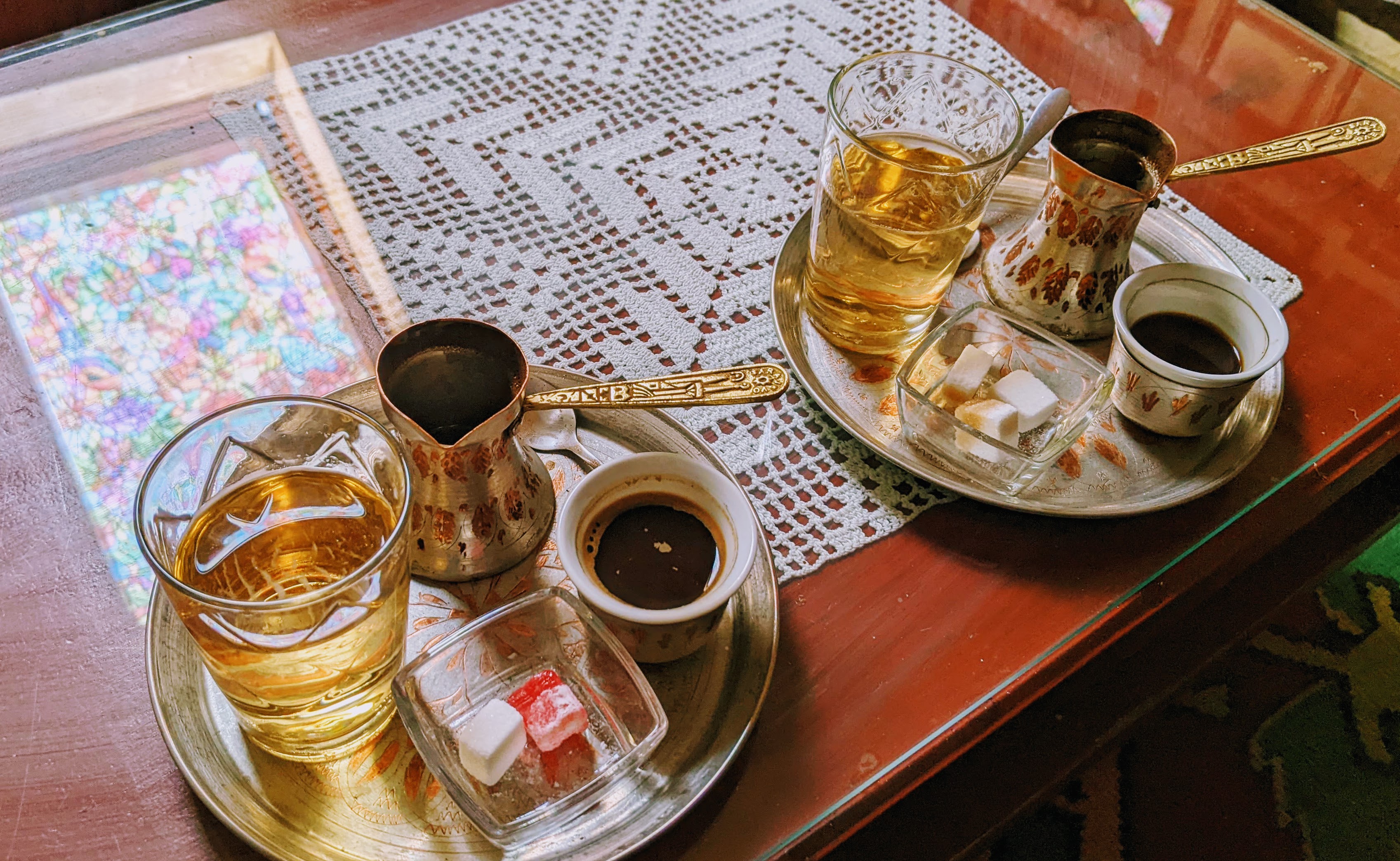
The Turks brought coffee to the region, but don’t call it Turkish coffee here. In Sarajevo, you must order ‘Bosnian coffee.’ The grounds are boiled in open-topped metal carafes and brought to the table on engraved silver platters with a sweet mint-lemon tea, sugar cubes, and pink lokum candy.
Bosnians are very particular that you stir the coffee grounds so they sink to the bottom of the pot before you pour your portion into the drinking cup. Apparently, Turkish coffee is not stirred, and therein lies the difference. You dip your sugar cube into the coffee and nibble a bit off the cube, hold the sugar in your mouth while you sip the coffee, and then swallow sugar and coffee together. Repeat this process until you’ve finished your portion, then enjoy your lokum – a rose flavored candy with the consistency of a soft gumdrop. Fans of Narnia will recognize lokum as none other than Turkish Delight. The hostess was careful to coach us through the entire process.
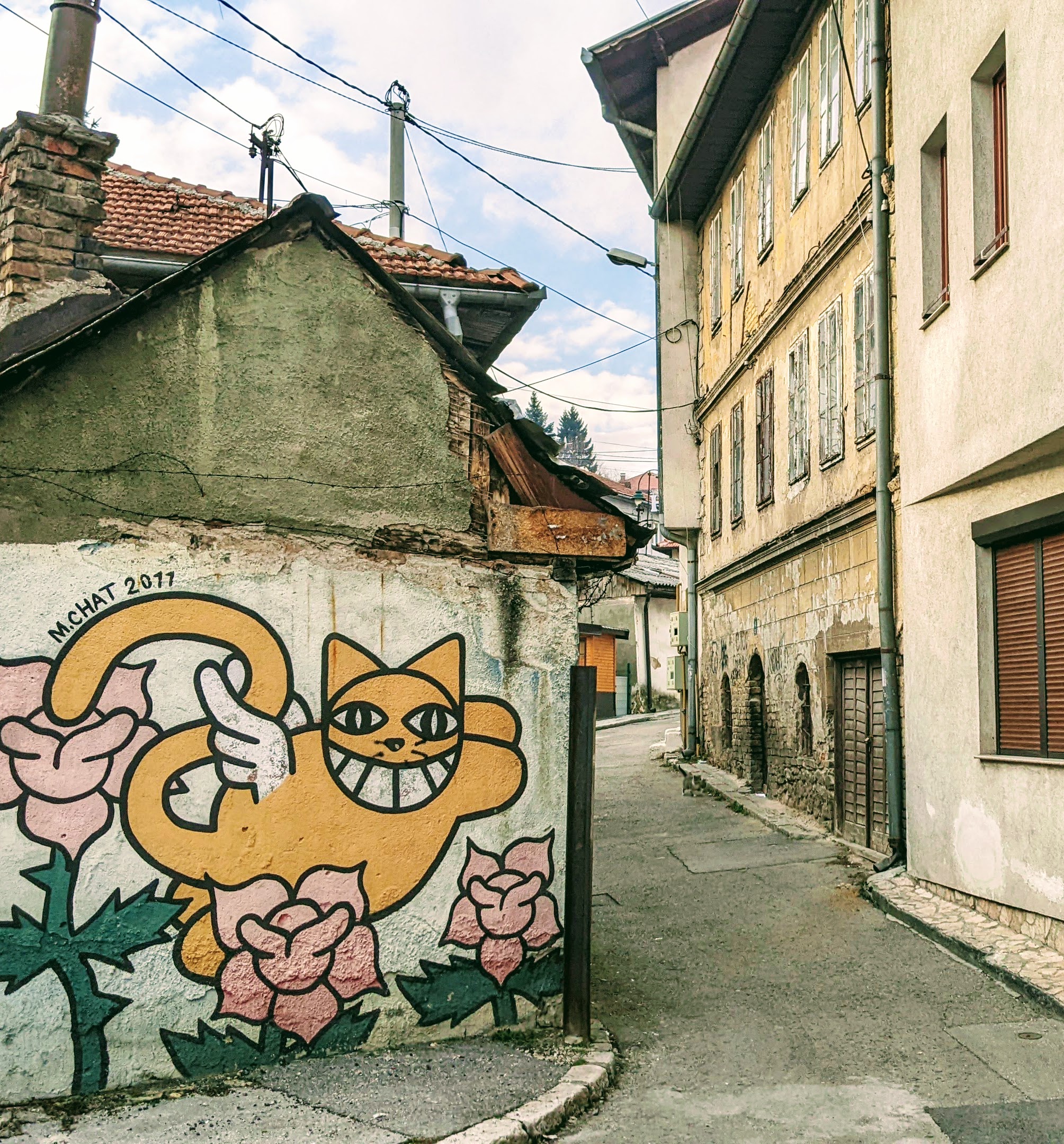
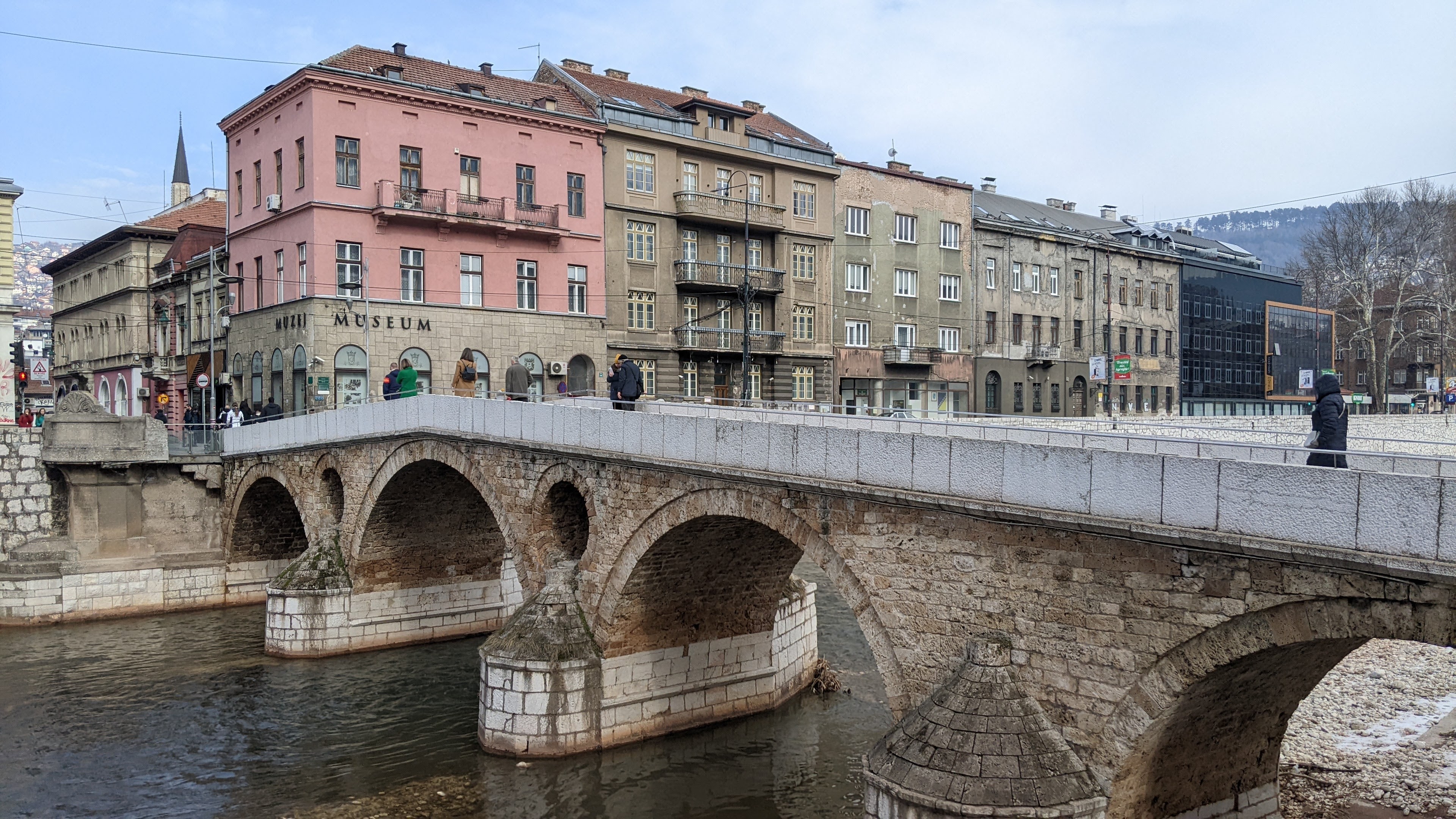
Before our visit, I forced my kids to read about the history of Sarajevo. I was kind. Sarajevo’s history could fill libraries, but I only made them read a one-page summary that began with Ottoman Turks and ended with the Bosnian War. Turks, Bosniaks (Slavic converts to Islam), Sephardic and Ashkenazi Jews, Catholic Croats and Orthodox Serbs all lived in the city at one time or another, ruled by one empire or another, experiencing lesser or greater freedoms and privileges, depending on ethnic or religious identity.
Sarajevo is beautiful to visit, but hard to visit. Every scene forces you to think and rethink identity, nationality, the true nature of man when civil law vanishes, justice, power, terror, and humanity. One of Kathleen’s Serbian friends warned her that she would not like Serbians after reading about their violence during the Balkan War of the 90s, before my daughter or her friend were ever born. But one of our Serbian neighbors fled Bosnia as a young girl with her family just as the war broke out. She has never returned – her house was burned to the ground by Bosnians.
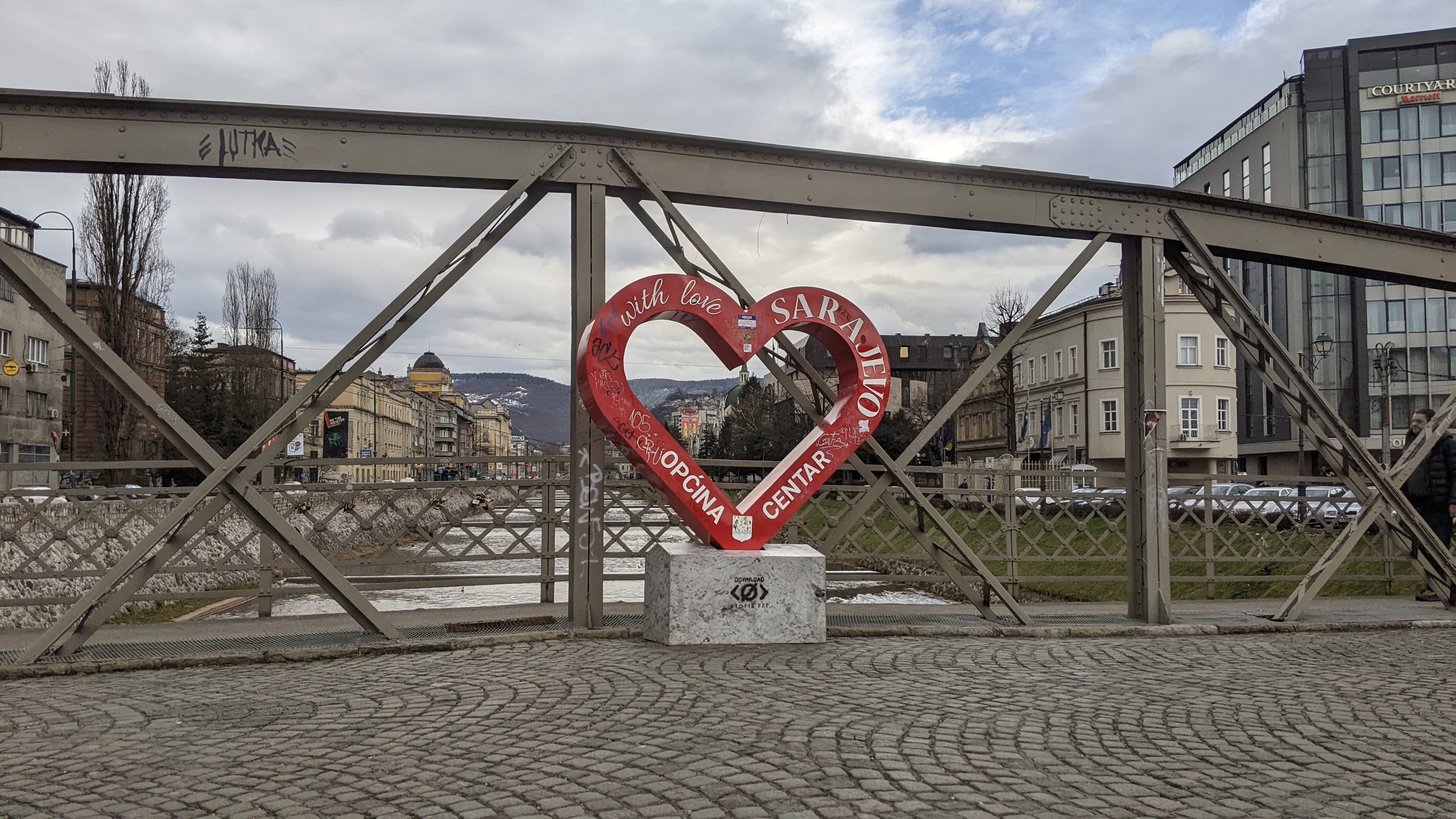
So Sarajevo is really a place to consider uncomfortable contrasts, not indulge in Instagram photos.
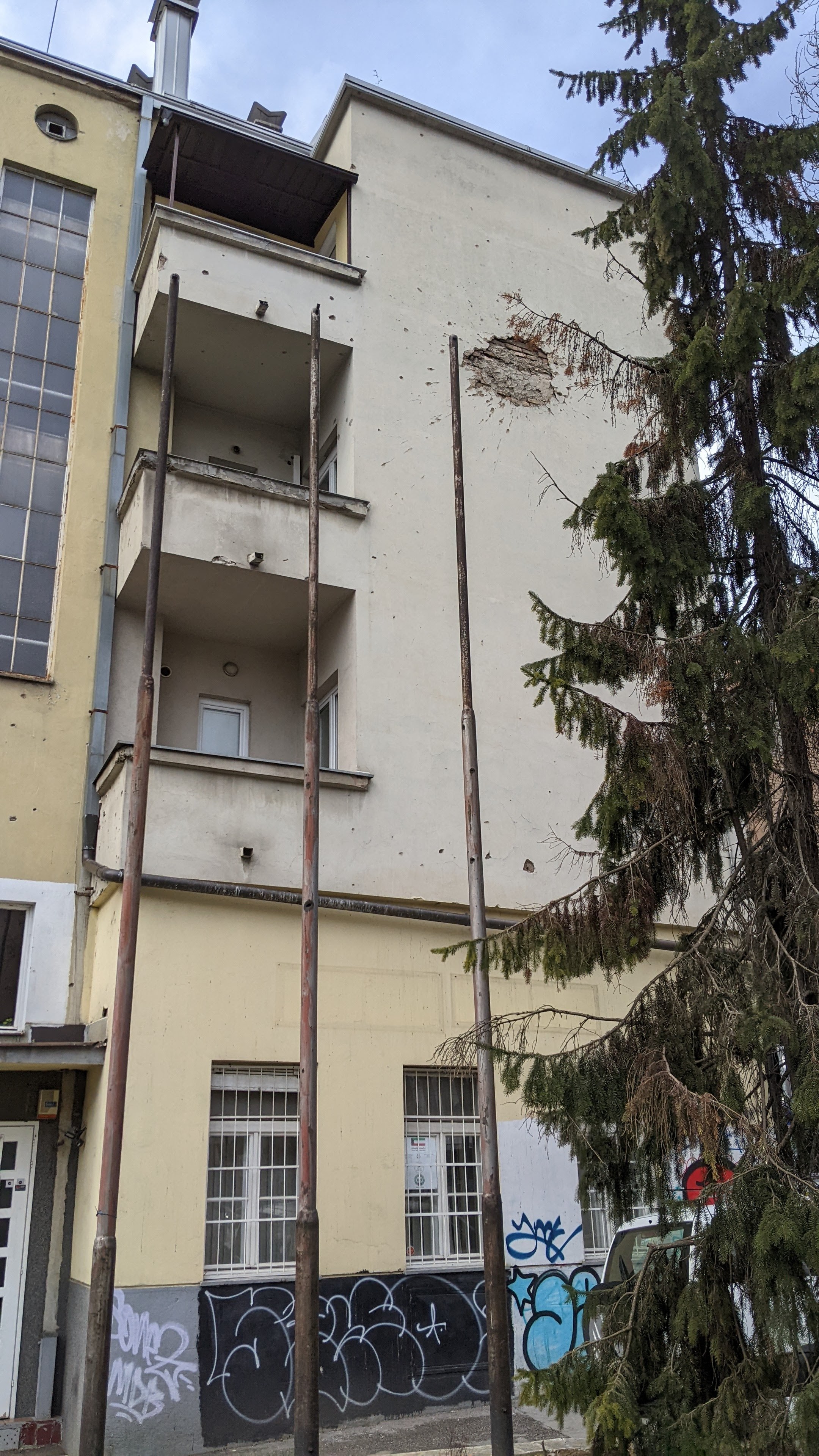
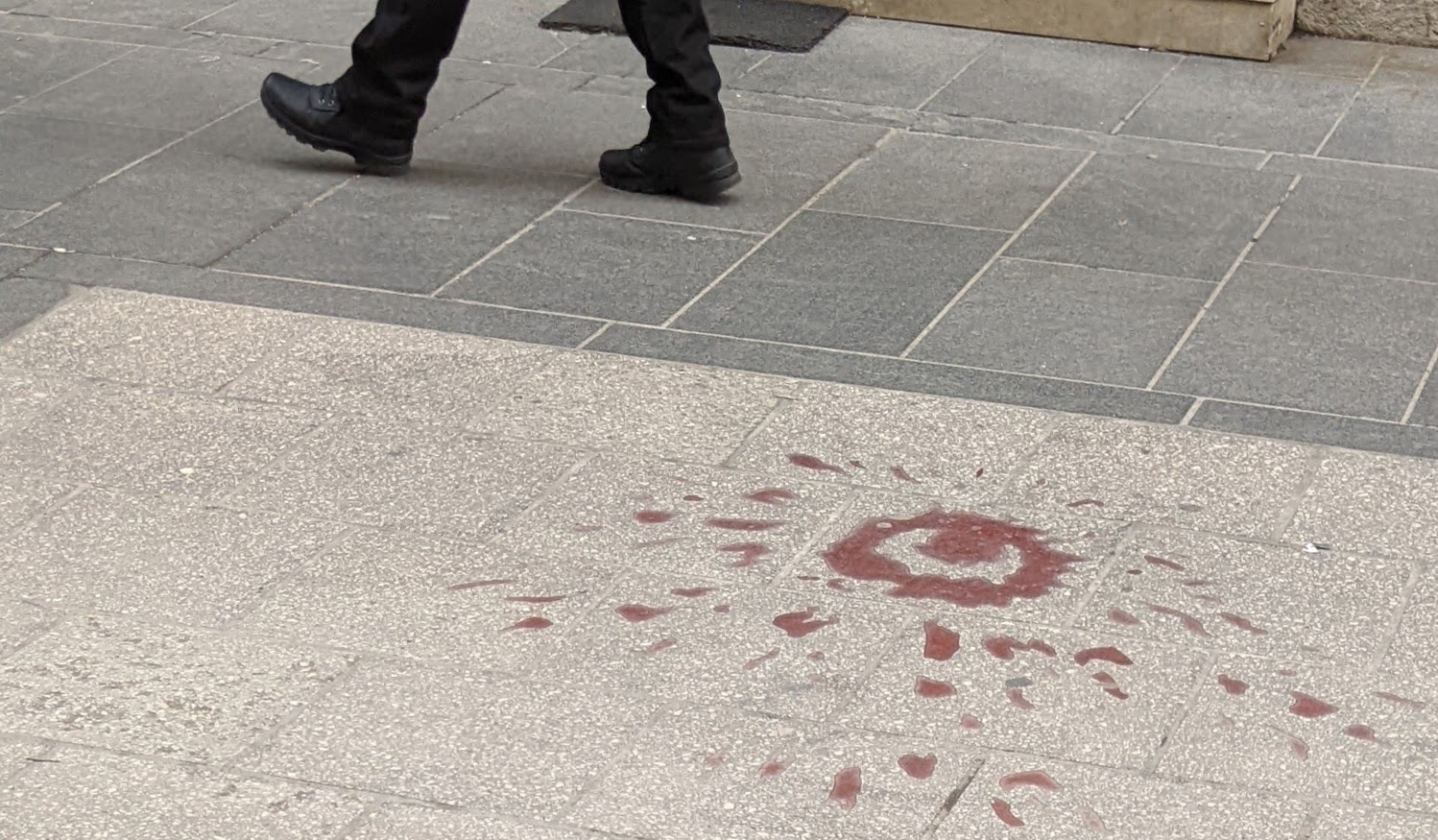
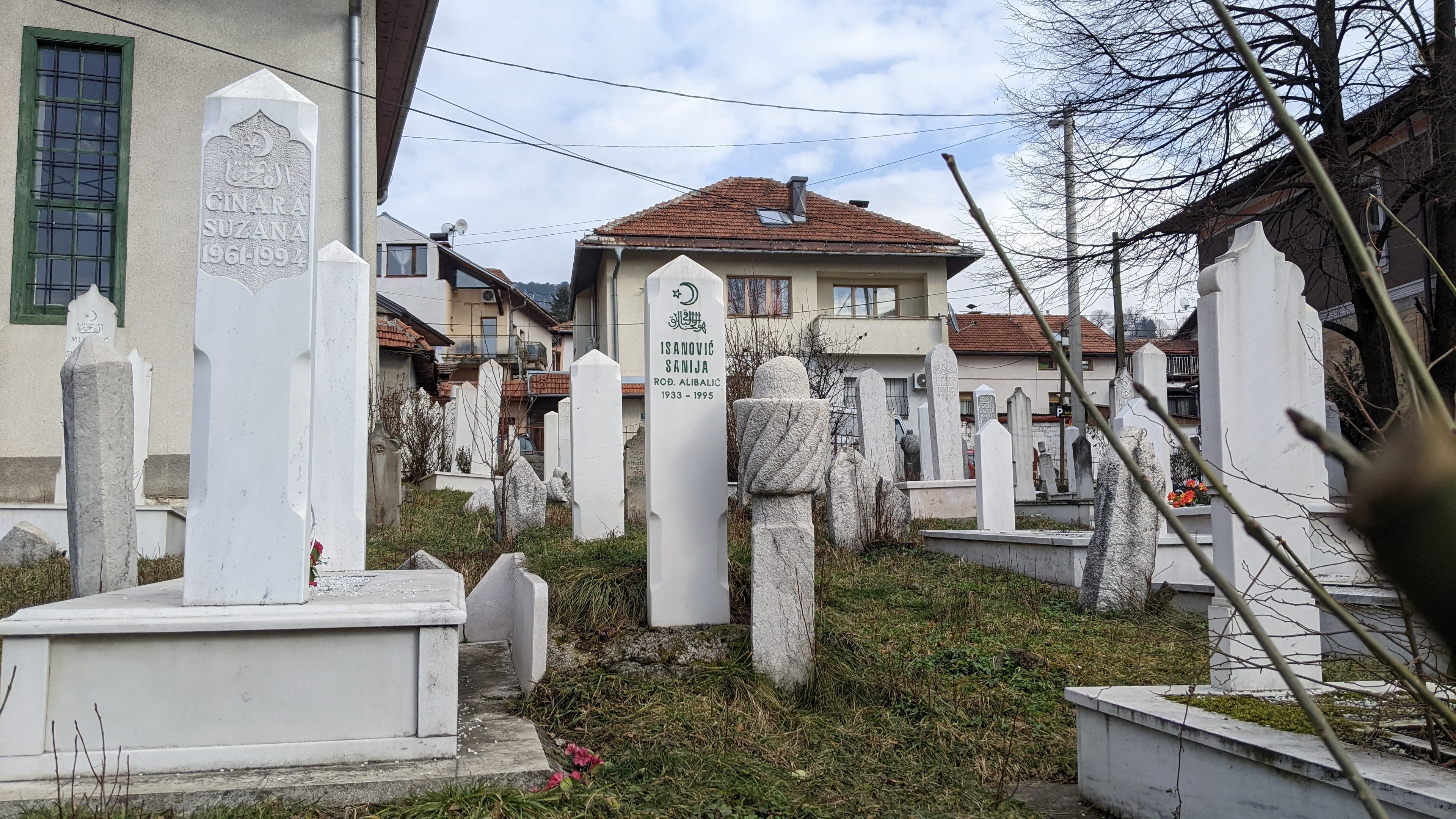
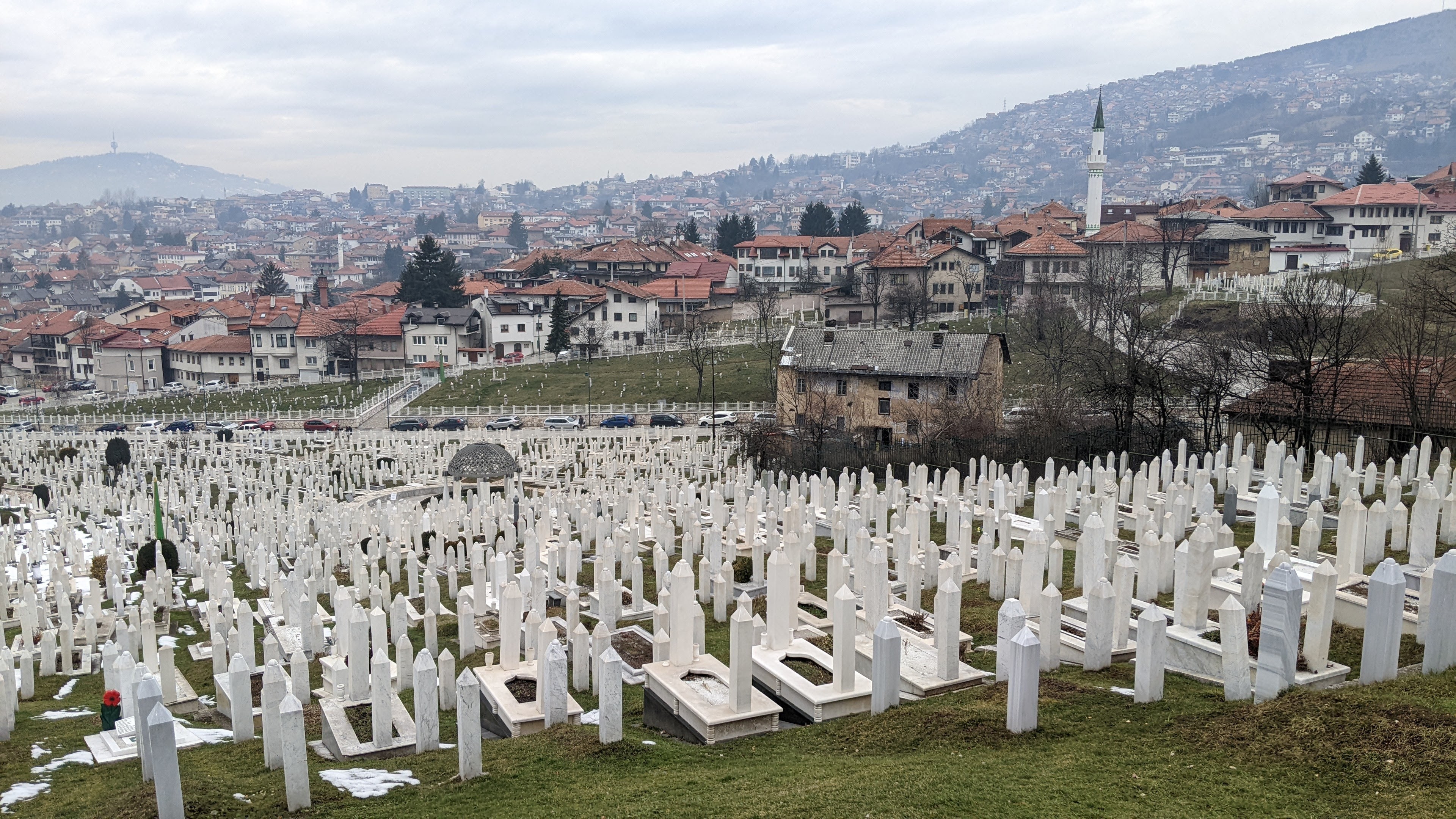
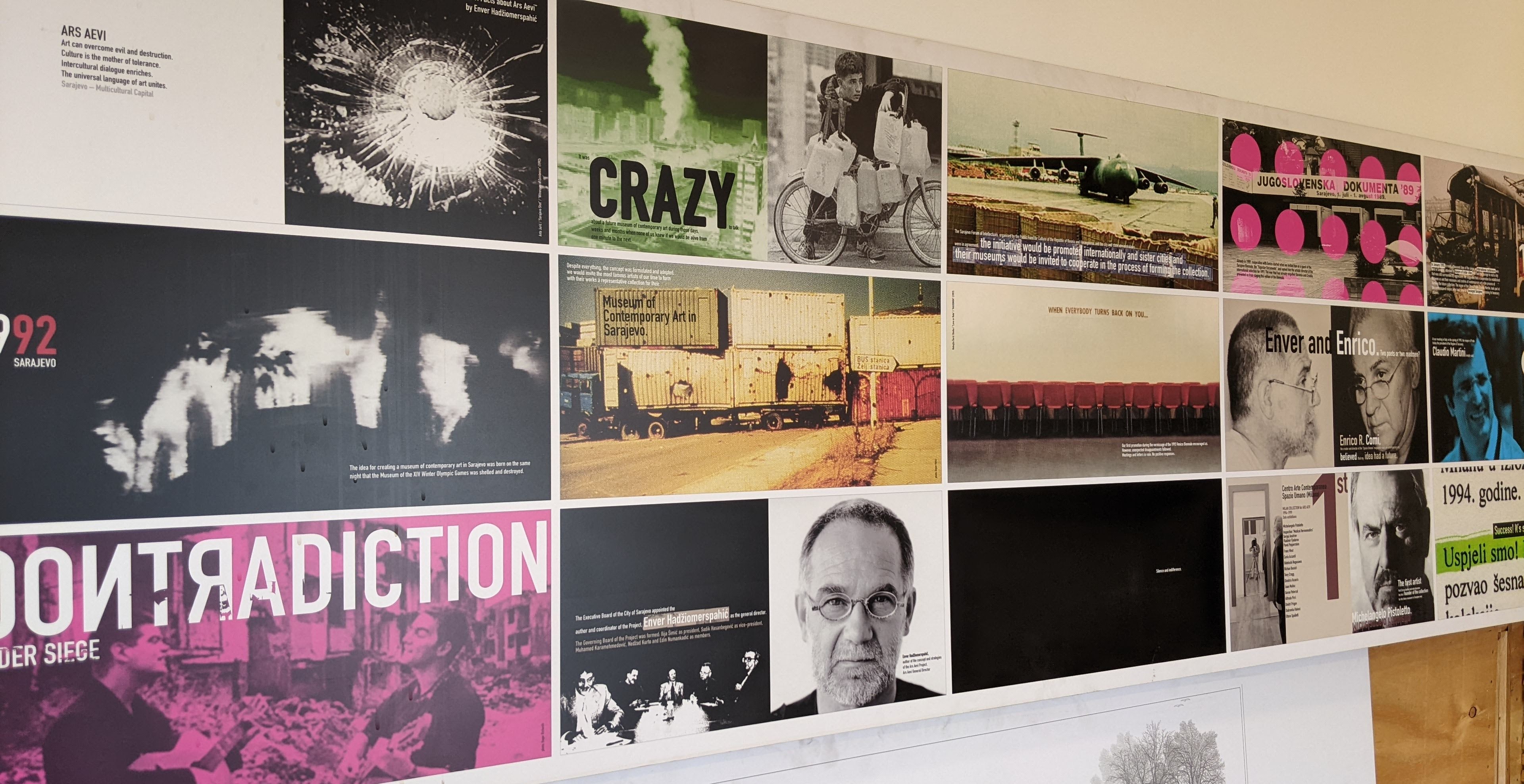
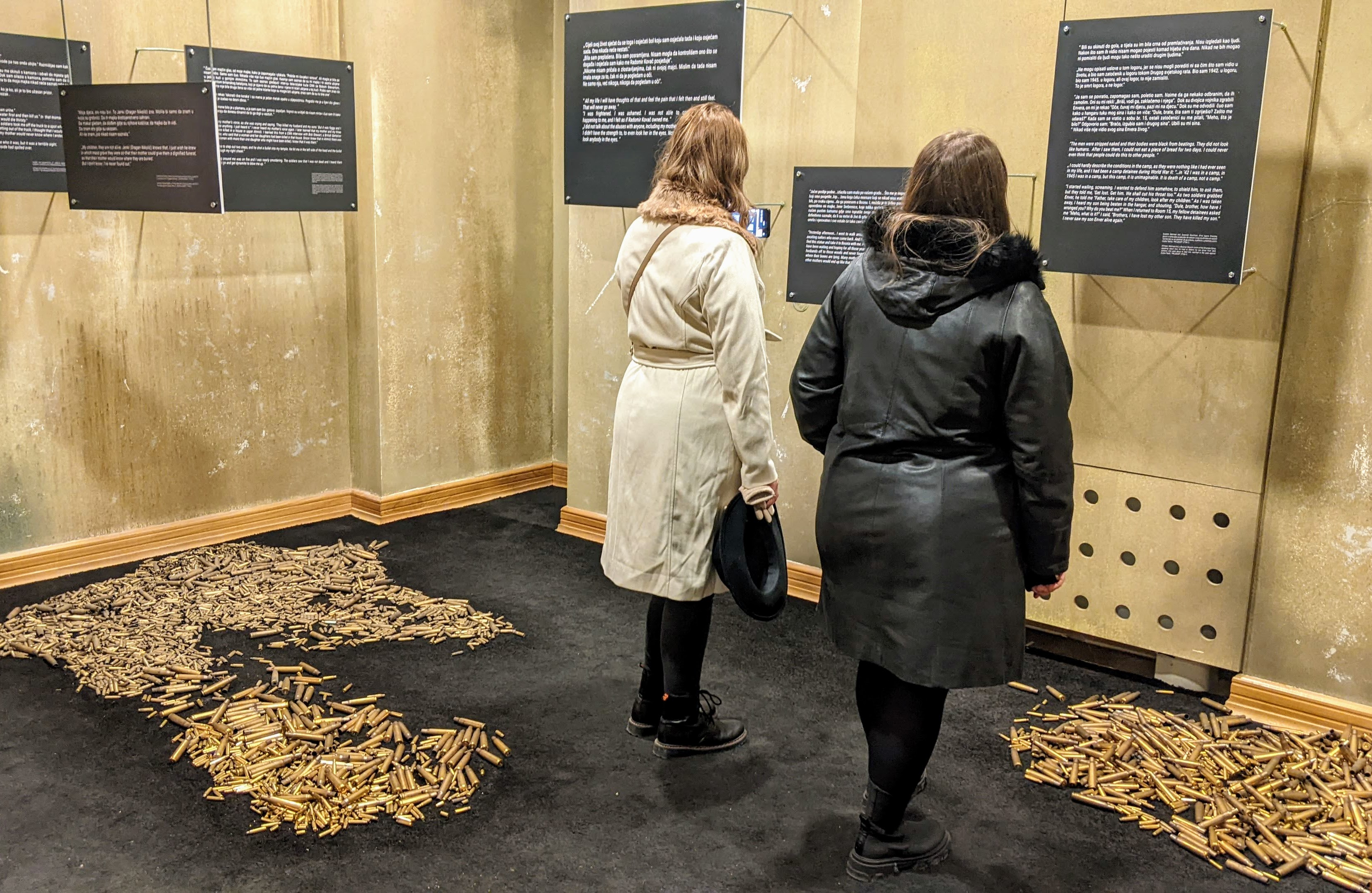
“The Srebrenica massacre, also known as the Srebrenica genocide, was the July 1995 genocidal killing of more than 8,000 Bosniak Muslim men and boys in and around the town of Srebrenica, during the Bosnian War. The killings were perpetrated by units of the Bosnian Serb Army of Republika Srpska under the command of Ratko Mladić.” Wikipedia
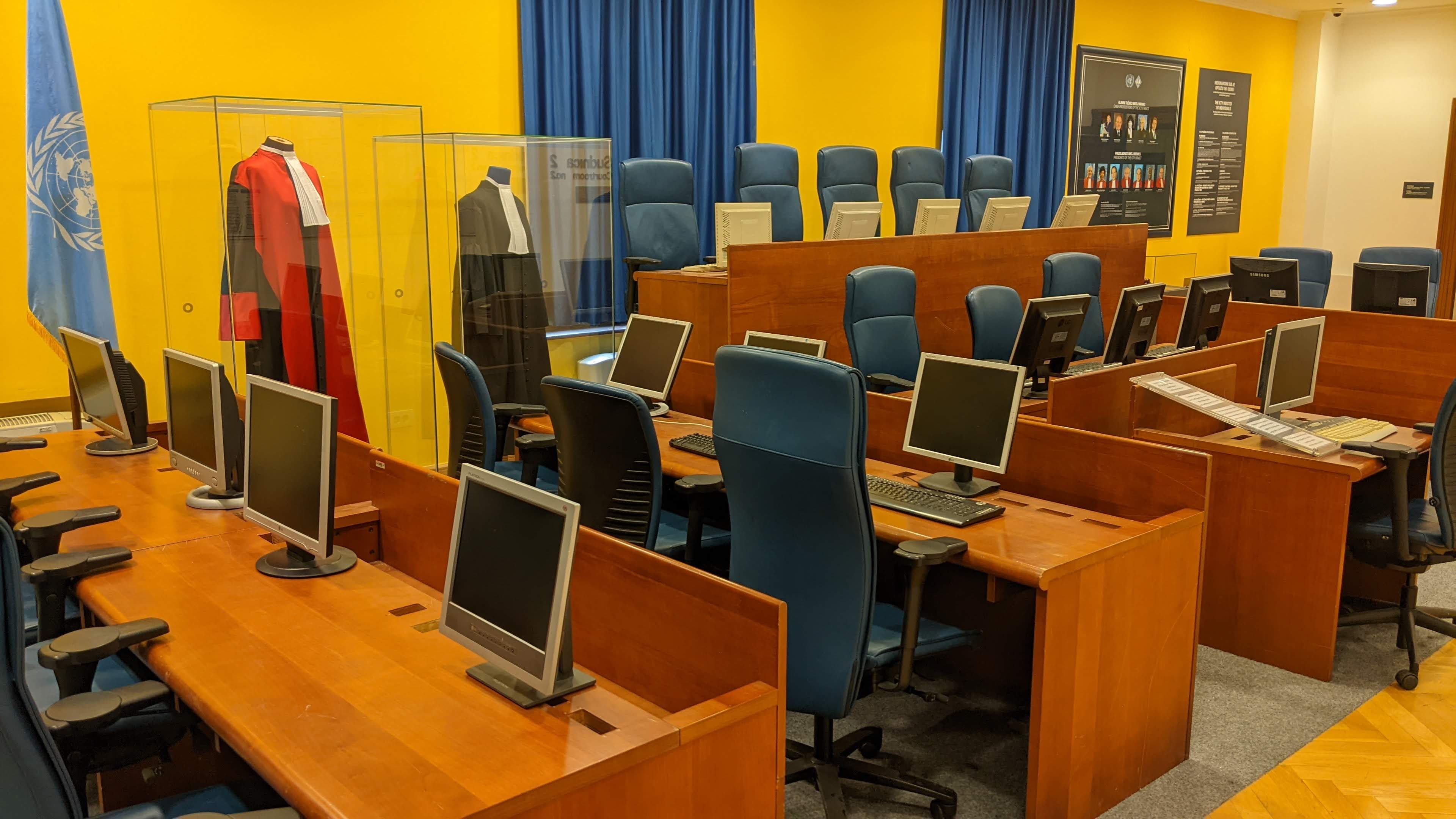
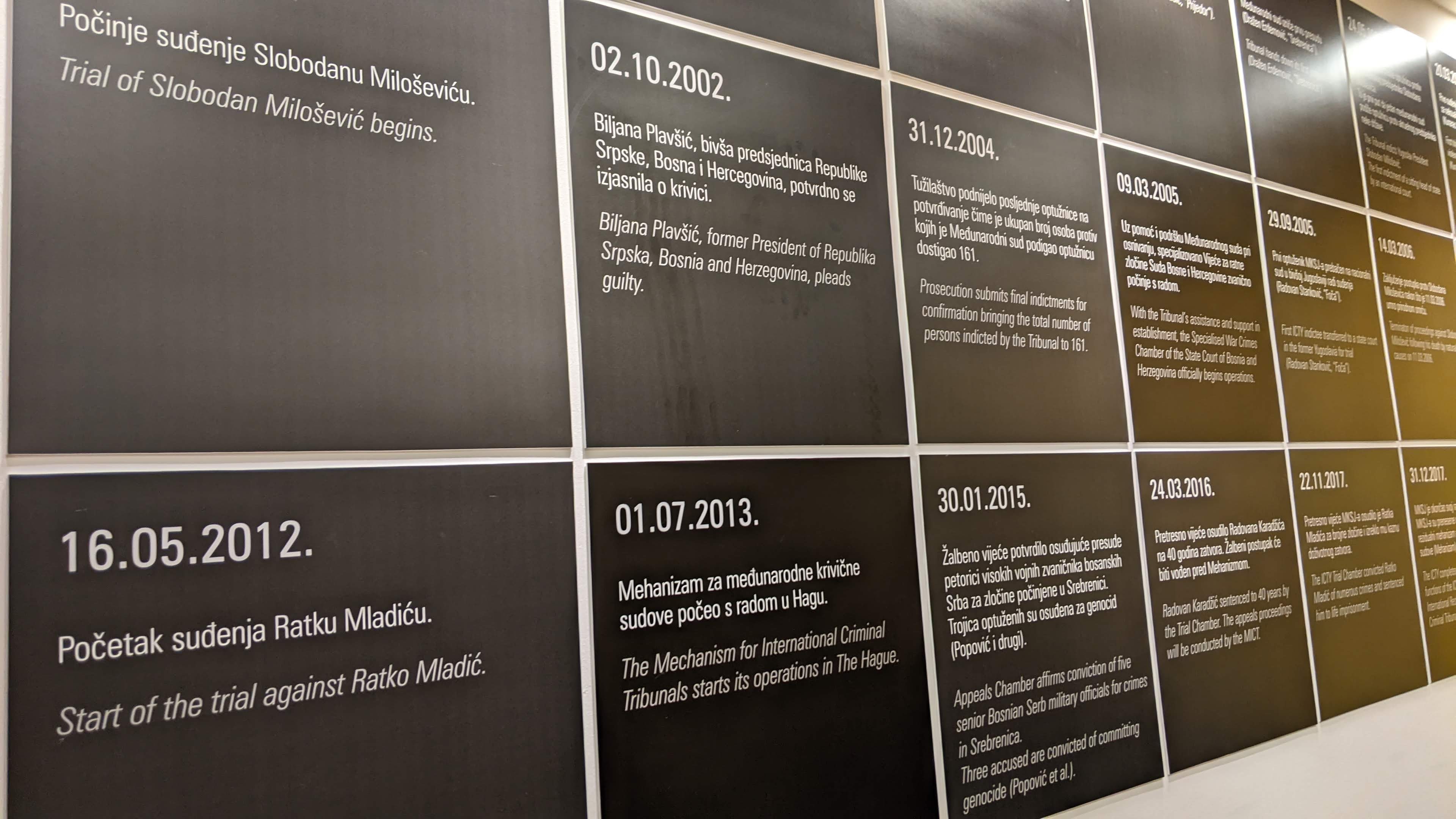
In Belgrade, his name is painted onto hundreds of surfaces: “Ratko Mladić – HERO”.
 There, and Pack Again